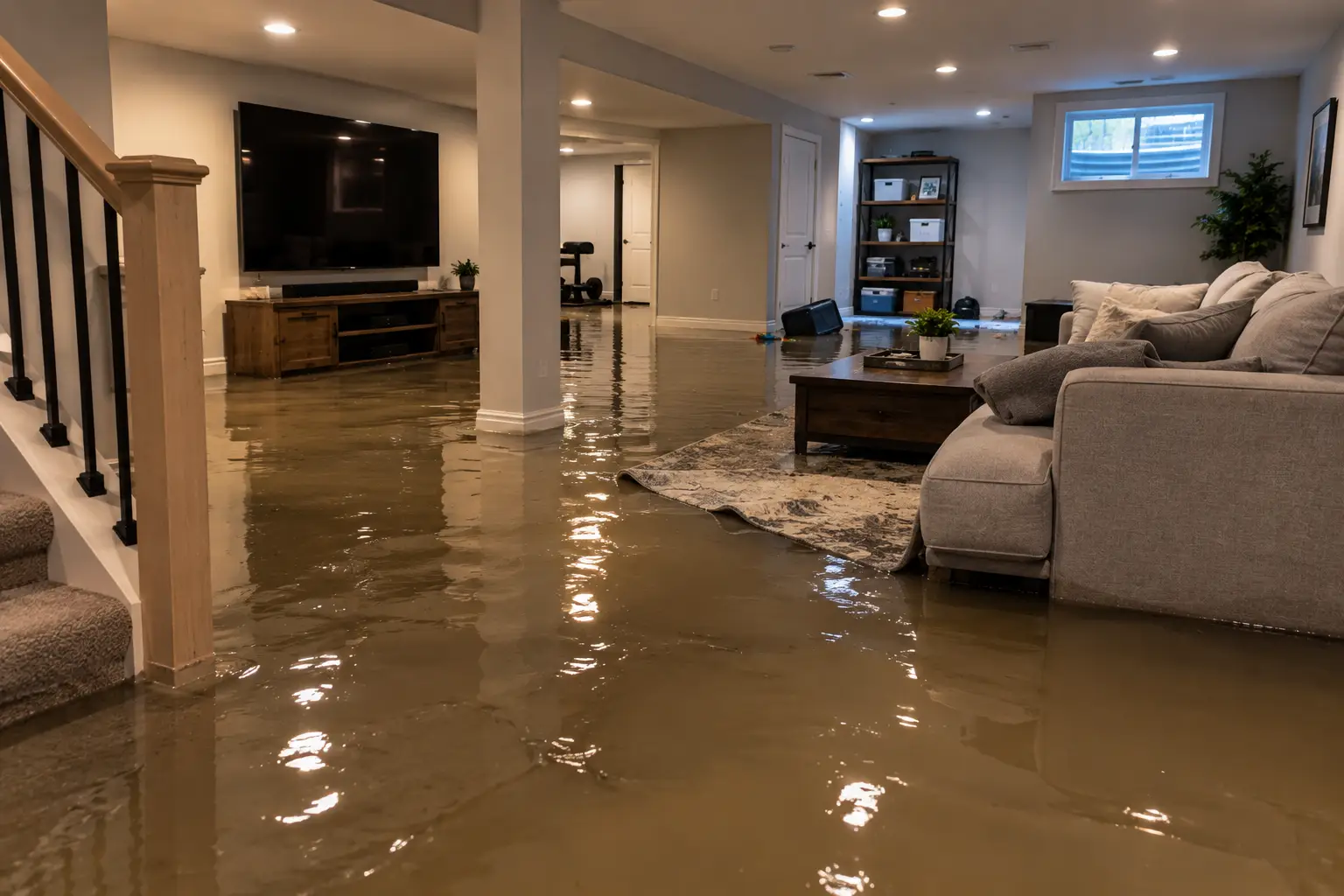
A hidden leak rarely announces itself with a dramatic burst pipe. More often, it starts with a water bill that climbs for no clear reason, a warm patch on the floor, a faint musty smell in a finished basement, or the sound of water moving when every tap is off. Fast leak detection Durham Region homeowners can rely on matters because water can travel behind walls, under slabs, and through ceilings long before the visible damage appears.
The goal is not simply to find wet drywall. It is to locate the source accurately, stop the water safely, and repair the right section of plumbing without turning a small problem into a major restoration project.
Signs You May Have a Hidden Plumbing Leak
A dripping faucet is obvious. A leak in a supply line behind a kitchen cabinet or beneath a basement floor is not. Watching for early warning signs gives you a better chance of limiting damage and avoiding disruption to your home or business.
An unexplained increase in water use is one of the clearest clues. If your habits have not changed but your bill has, water may be escaping somewhere after the meter. You may also notice that your water meter continues moving after appliances, fixtures, irrigation, and water-using equipment are shut off.
Other signs need a closer look. Staining or bubbling paint on a ceiling can point to a bathroom, laundry, or heating pipe leak above it. Soft flooring, warped baseboards, peeling caulking, or a persistent damp smell can signal moisture behind finished surfaces. In winter, a cold exterior wall with a growing stain deserves quick attention, especially after a freeze-thaw period.
Some leaks are easier to miss because they are intermittent. A toilet can leak quietly into the bowl, a shower pan may only leak while someone is using it, and a drain connection may drip only when a sink or dishwasher empties. That is why a clear description of when and where you see the problem helps a technician narrow the search.
Why Fast Leak Detection Matters
A small plumbing leak can affect much more than the pipe itself. Water can damage insulation, flooring, cabinets, framing, and electrical components. Moist materials also create conditions where mould can develop, which adds cleanup work and can affect indoor air quality.
There is a financial side as well. Water that leaks continuously can add up quickly on your utility bill. If the source is under a concrete slab, behind a tiled shower wall, or in a finished basement, delaying the diagnosis can increase the amount of demolition and repair required.
Speed does not mean guessing. The right approach is to assess the symptoms, isolate the affected system, test where necessary, and confirm the source before opening walls or floors. There are times when a visible stain is directly below the leak. Often, though, water has followed a joist, pipe, or duct and appeared several feet away from the actual failure.
How Professional Leak Detection in Durham Region Works
A proper investigation begins with the basics. A licensed plumber will ask when the issue began, whether it changes when fixtures are used, whether the home has recently frozen, and whether there have been changes to water pressure or renovations. They will inspect accessible plumbing, fixtures, shut-off valves, appliances, drains, and mechanical equipment.
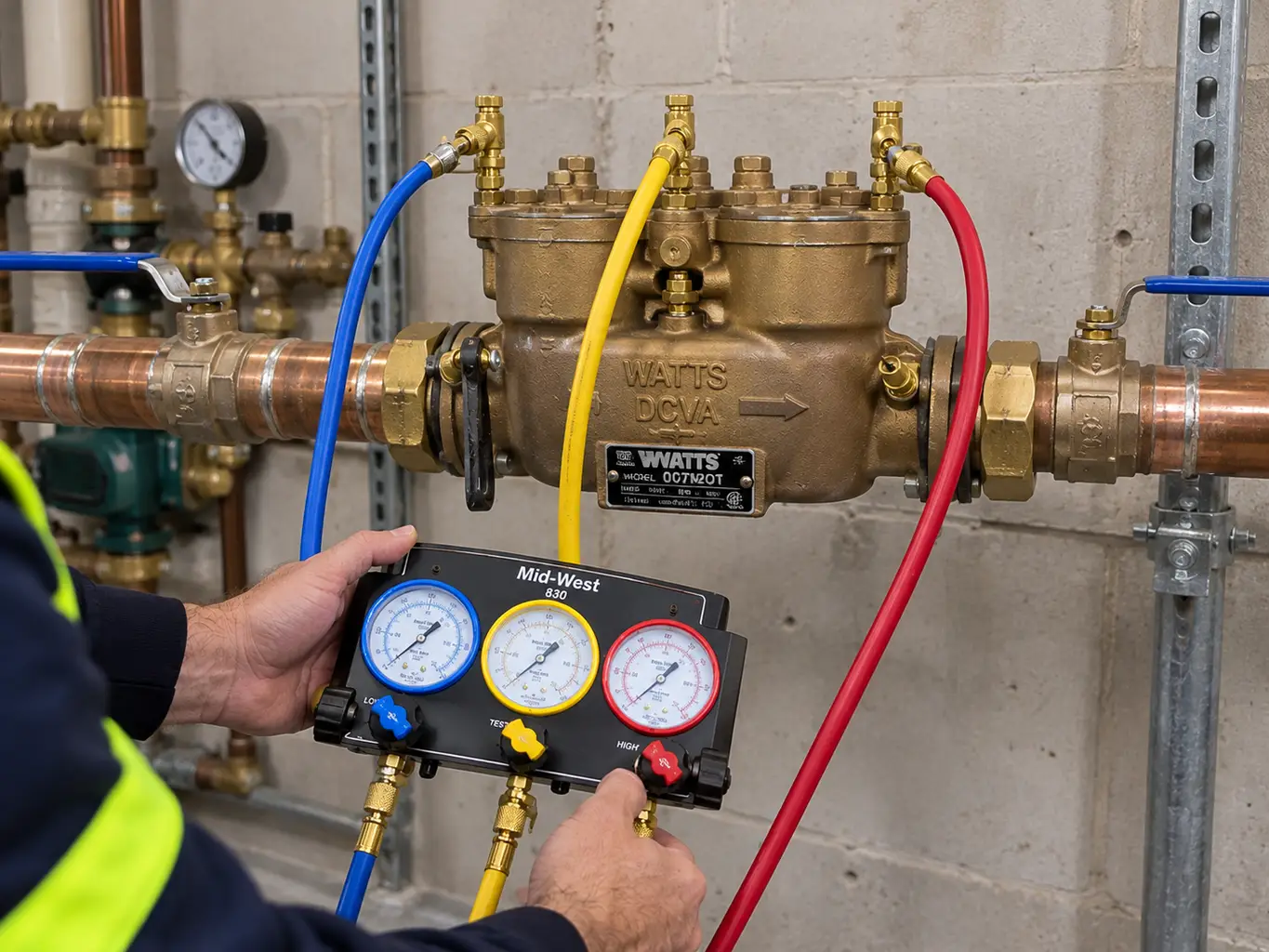
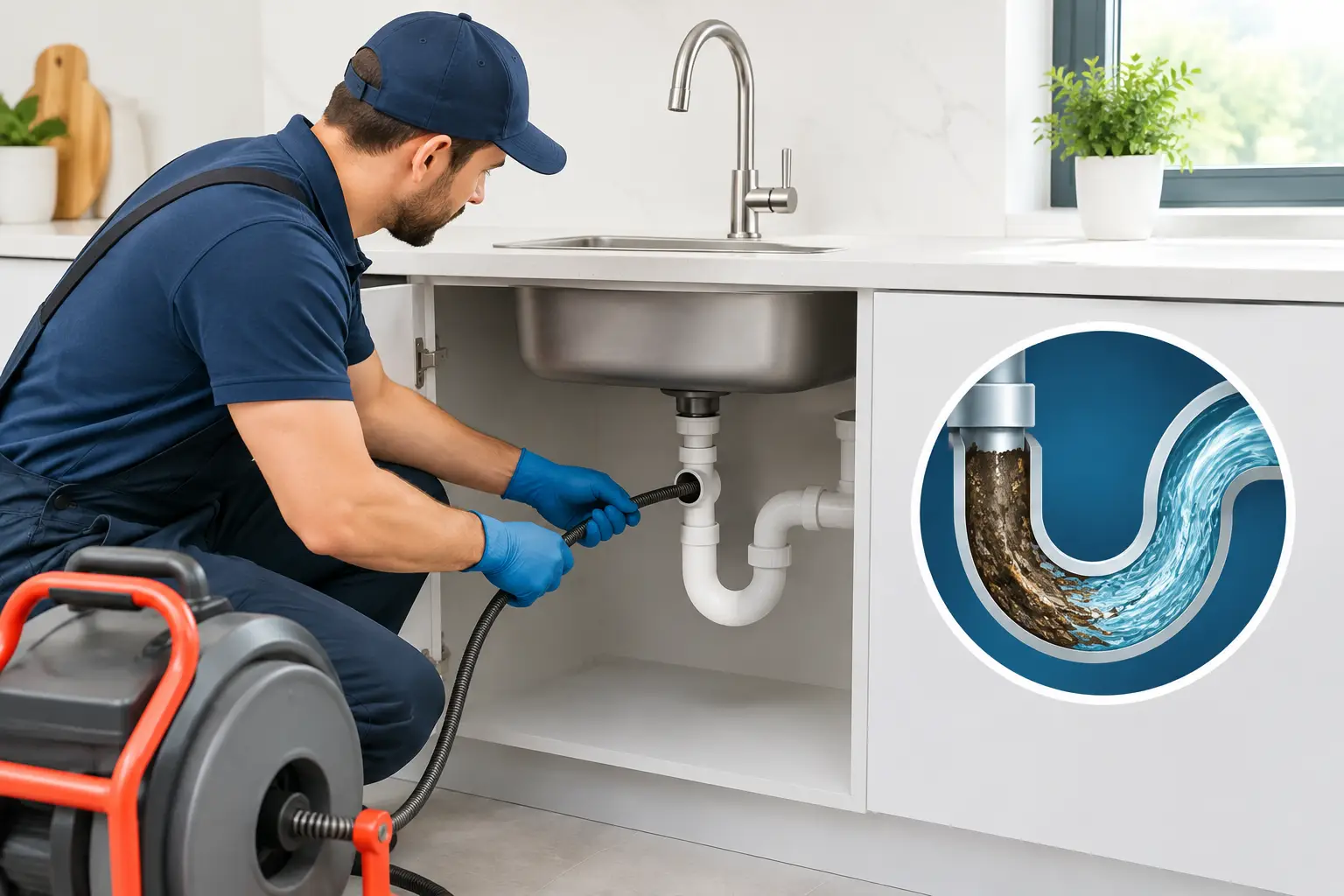
From there, the method depends on the building and the symptom. Water-meter testing can help confirm an active supply-side leak. Pressure testing may identify a loss in a plumbing line. Moisture meters and thermal imaging can help locate damp materials without opening every surface. In some cases, a camera inspection is the practical choice for investigating drain lines.
These tools help guide the work, but no single test fits every situation. Thermal imaging, for example, can show temperature differences caused by moisture, but it may also pick up cold air movement or an uninsulated area. A good diagnosis combines the readings with site conditions and plumbing knowledge before repair decisions are made.
Once the source is confirmed, the repair may be straightforward: replacing a failed fitting, valve, fixture supply line, toilet seal, or short section of pipe. If access is limited, the technician should explain the repair options, likely scope of opening and restoration, and what needs to happen immediately to prevent further water damage.
What to Do While You Wait for Help
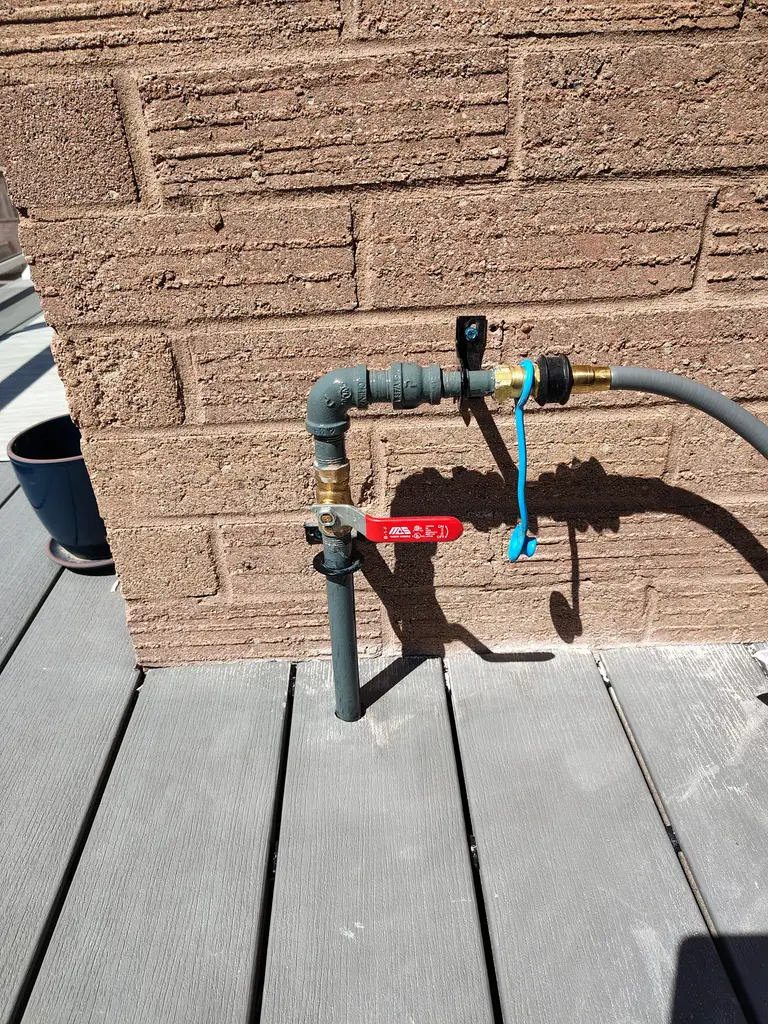
If water is actively leaking, act first to limit the flow. Turn off the local fixture valve if you can identify it safely. For a larger or unknown leak, use the main water shut-off valve for the property. Every homeowner should know where this valve is before an emergency happens.
Move furniture, electronics, rugs, and stored belongings away from the affected area. Use towels, buckets, or a wet vacuum only if it is safe to do so. Avoid standing water near electrical outlets, extension cords, panels, or appliances. If water is near electrical equipment, keep clear and contact the appropriate emergency service or electrician as needed.
Do not cut into a wall, ceiling, or floor without knowing what is behind it. Plumbing, electrical wiring, gas piping, and structural components may be concealed in the area. Take photos of the damage and make a note of when you first noticed it. That information can be useful for diagnosis and for any insurance discussion.
Common Leak Sources in Durham Region Homes
Local homes range from older properties with aging plumbing to newer builds with complex finished basements, multiple bathrooms, and mechanical rooms. The source can vary widely, but several issues appear regularly.
Frozen or partially frozen pipes are a winter concern, particularly where plumbing runs through exterior walls, garages, crawl spaces, or poorly insulated areas. A pipe does not always burst while frozen. Damage can become apparent later, when temperatures rise and water pressure returns to a weakened section.
Water heaters, washing machine hoses, dishwasher connections, refrigerator water lines, and humidifier lines are also frequent trouble spots. These components are often out of sight until a fitting fails or a hose wears through. Sump pump discharge issues and foundation moisture can look like plumbing leaks, so identifying whether the water is coming from a supply line, drain, appliance, roof, or groundwater is essential.
Bathrooms need special attention. Failed toilet seals, loose shower valves, cracked grout, deteriorated caulking, and leaking shower pans can all lead to moisture below or beside the room. Caulking may prevent surface water from reaching gaps, but it will not repair a failed pipe or drain connection behind the wall.
Preventing Water Damage After the Repair
After the leak is fixed, the area still needs to dry properly. Depending on how long the water was present and what materials were affected, this may mean removing wet insulation or damaged drywall, using drying equipment, and monitoring moisture levels. A pipe repair stops the source, but it does not automatically resolve water damage in surrounding materials.
Preventative maintenance can reduce the chance of another surprise. Check exposed supply lines and shut-off valves periodically, replace aging appliance hoses, test sump pumps before spring weather, and address slow drains before they become backups. During cold snaps, keep vulnerable areas heated and do not shut off interior heat when leaving the property for an extended period.
For property owners with older plumbing or a history of leaks, it can be worthwhile to have a professional assess accessible piping, water pressure, and high-risk connections. The best preventative step depends on the home. Replacing one aging valve may be enough in one property, while another may need a broader plumbing upgrade plan.
When to Call for Emergency Leak Help
Call for urgent plumbing service when water is actively flowing, a ceiling is bulging, a pipe has frozen or burst, water is reaching electrical areas, or you cannot isolate the leak. The same applies if a water heater is leaking heavily or if wastewater is backing up into the home.
For less urgent symptoms such as a recurring stain, a slowly rising water bill, or a damp cabinet, arrange an inspection before the issue grows. Forward Mechanical provides licensed plumbing support across Durham Region, including Whitby, Oshawa, Ajax, Pickering, Courtice, Bowmanville, Port Perry, Uxbridge, and nearby communities.
A leak is easier to manage when it is found early, explained clearly, and repaired with the right scope of work. If something in your home feels damp, sounds wrong, or is costing more water than it should, do not wait for visible damage to give you the answer.