A new gas range, fireplace, barbecue hookup, or garage heater should make your home more comfortable, not leave you wondering whether the work was done safely. Gas line installation Durham homeowners need is not a simple add-on to a renovation. It requires proper planning, approved materials, correct pipe sizing, thorough testing, and a qualified gas professional who treats your home with care.
Natural gas is efficient and convenient, but it is not a do-it-yourself project. A line that is too small can leave an appliance underperforming. A poorly connected fitting can create a serious safety concern. The right installation is one you barely have to think about after it is complete – because the appliance works as intended and the system has been installed, tested, and documented properly.
When a New Gas Line Makes Sense
Homeowners often request a gas line when replacing an electric appliance or adding comfort to a space that has been difficult to heat. A gas stove can offer responsive temperature control for cooking. A direct-vent gas fireplace can add dependable warmth and atmosphere to a living area. A gas dryer may shorten drying times, while a properly installed outdoor connection can make barbecuing a little more convenient year-round.
Garages, workshops, additions, and commercial spaces may also need gas service for unit heaters or other approved equipment. In each case, the installation starts with the same question: can the existing gas supply safely support the added demand?
That answer depends on more than whether there is a gas meter outside. Every appliance draws a certain amount of gas. The size and length of the pipe, the number of fittings, the meter capacity, and the demand from existing appliances all affect how a new line should be designed. Adding a small fireplace is different from installing a high-output range and a garage heater at the same time.
What Safe Gas Line Installation in Durham Involves
The best installations are planned before any pipe is run. A qualified technician begins by reviewing the appliance being installed, its required input rating, the proposed location, and the route from the existing gas supply. They also look for practical details that matter later, such as access for service, clearance from combustibles, proper shutoff placement, and how the line will be supported and protected.
Proper sizing is not a guess
Gas piping must deliver enough fuel to every connected appliance, even when several are operating at once. If a line is undersized, you may notice weak burner flames, delayed ignition, inconsistent heating, or equipment that does not reach its rated performance. In more complex homes, the existing piping or meter may need to be assessed before a new branch line is added.
A professional calculates the required capacity rather than relying on pipe that simply looks large enough. This is especially important in older homes, where previous alterations may not match the demands of newer appliances.
The route should protect the line and your home
The most direct route is not always the right one. Gas lines must be installed using approved piping and fittings, with suitable supports and protection where they pass through framing or exposed areas. A clean installation also considers future access. Hiding every connection behind finished walls may look tidy at first, but it can make inspection and service more difficult later.
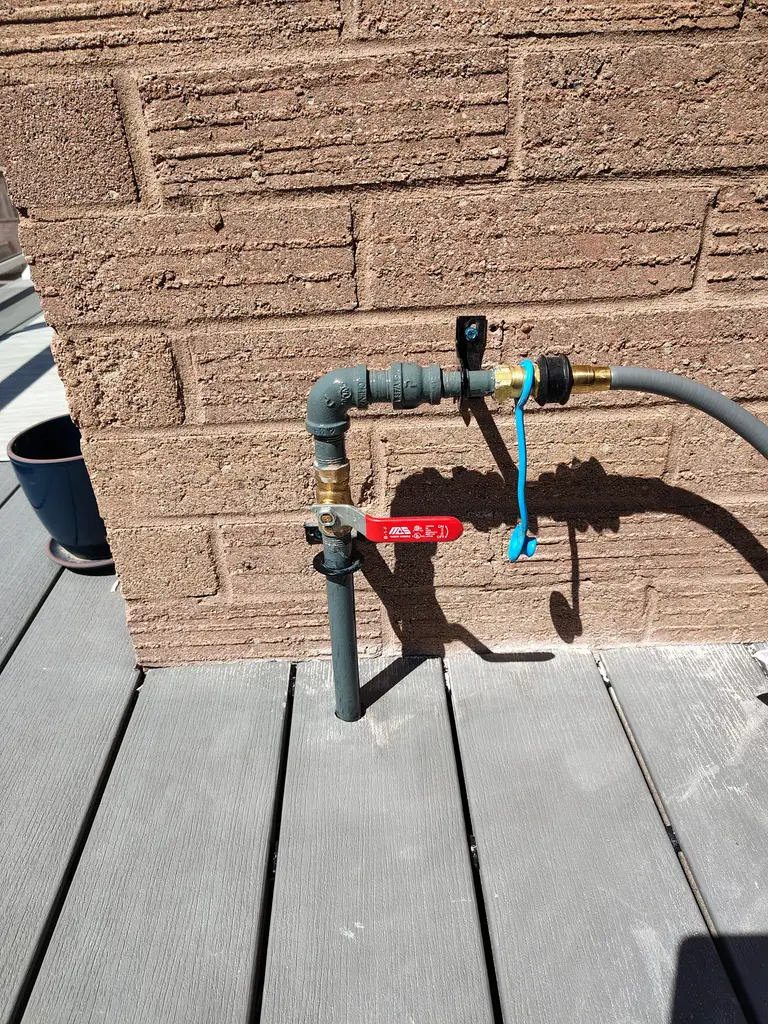
For outdoor appliances, the line needs to be protected from damage and weather while remaining practical to use. A connection for a barbecue should be positioned so the hose is not stretched across a walkway or exposed to constant strain. Small details like these are part of professional workmanship.
Shutoffs, permits, and inspections matter
A dedicated shutoff valve is typically required near the appliance so the gas can be isolated for servicing or in an emergency. Depending on the scope of the work and local requirements, permits and inspections may also apply. These are not needless steps. They help verify that the installation meets applicable safety requirements and that the appliance has been connected correctly.
If you are coordinating a kitchen renovation, basement finish, fireplace installation, or commercial tenant improvement, arrange the gas work early. Planning it before walls are closed can prevent unnecessary drywall repairs, delays, and last-minute changes to the layout.
Testing is where confidence comes from
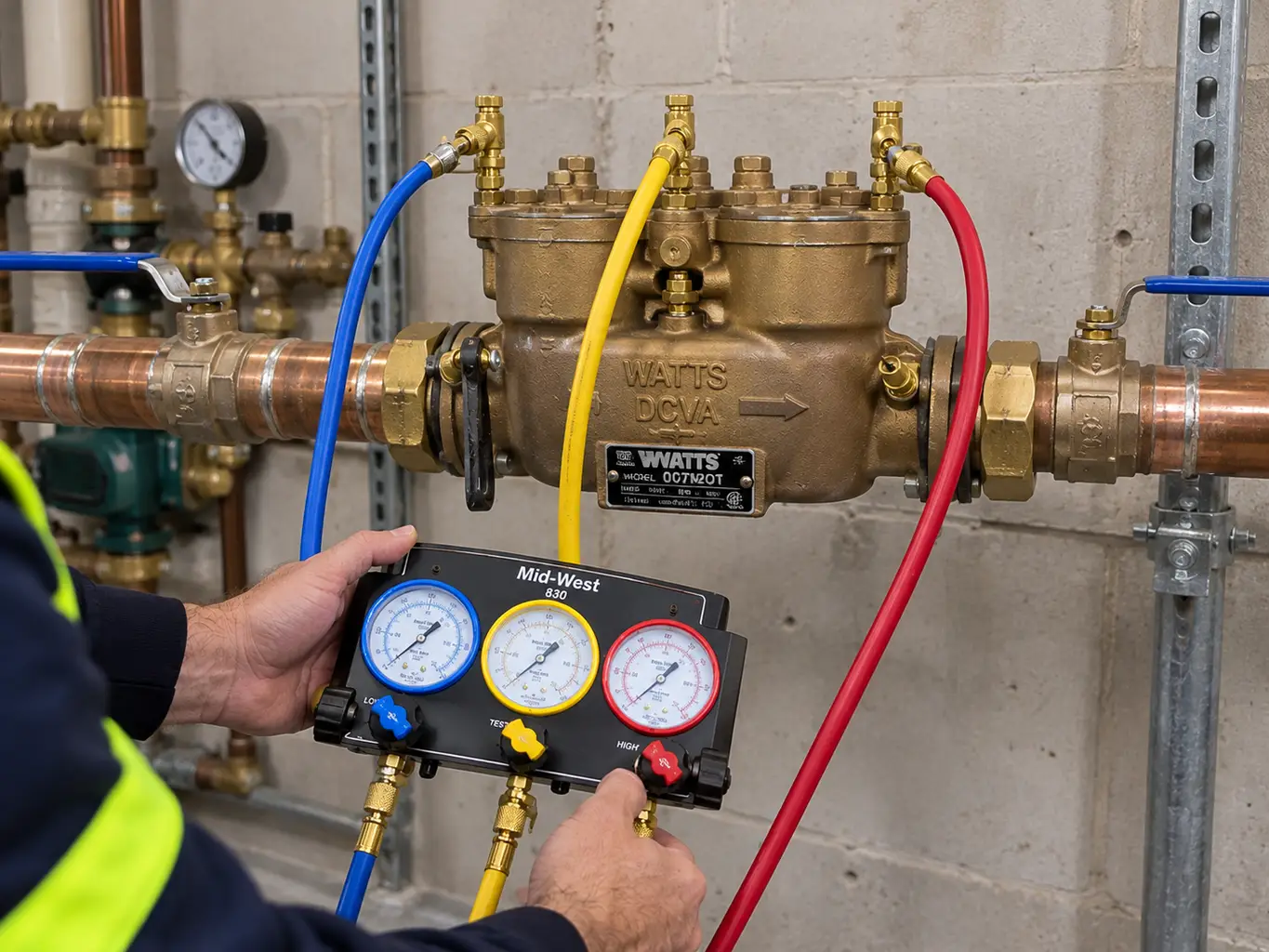
Once the piping is installed, it must be pressure tested for leaks before it is placed into service. The appliance connection is then checked, and the equipment is started and verified according to manufacturer requirements. A technician should not rush through this stage just because the visible piping looks complete.
Homeowners should also know where their appliance shutoff is located and understand the basic warning signs of a gas issue. If you smell gas, hear hissing near a gas line, or suspect a leak, leave the area, avoid switches and open flames, and contact the gas utility or emergency services as appropriate. Do not try to find or repair the leak yourself.
Choosing the Right Appliance Connection
Not every gas appliance is installed the same way. A freestanding range needs the correct connection arrangement, clearance, and accessible shutoff. A fireplace requires attention to the gas line, venting system, framing clearances, and the manufacturer’s installation instructions. A garage heater must be selected and installed for the space, with proper venting and combustion air considerations.
This is why appliance selection and gas installation should be treated as connected decisions. A lower-cost unit may not be the best fit if it requires major changes to piping, venting, or electrical service. On the other hand, planning the infrastructure during a renovation can make adding the right appliance much simpler and more cost-effective.
For landlords and property managers, consistency is equally valuable. Keeping records of installed equipment, shutoff locations, service history, and inspections makes future maintenance easier and helps reduce disruption for tenants.
Common Mistakes to Avoid
The biggest mistake is assuming gas work is similar to changing a faucet or connecting a dryer vent. It is specialized work with real safety implications. Avoid relying on unqualified installers, reusing damaged connectors, or making changes without confirming that the existing supply can handle the load.
Another common issue is leaving gas work until the final stage of a renovation. By then, cabinets may be installed, ceilings may be closed, and the preferred pipe route may no longer be accessible. Bringing in a gas professional during the planning stage helps avoid awkward compromises and added labour.
It is also worth thinking ahead. If you know you may eventually add a gas fireplace, patio connection, or garage heater, mention it during the initial assessment. In some cases, planning for future capacity can be more practical than modifying the system twice.
A Straightforward Process From Assessment to Startup
A dependable gas installation should feel organized, not mysterious. You should receive a clear explanation of the proposed work, including the appliance location, the route for the piping, and any factors that could affect cost or timing. If upgrades are needed, the reason should be explained in plain language.
Forward Mechanical Services Inc. provides professional gas fitting alongside plumbing, heating, and cooling services for homeowners and property owners across Durham Region and surrounding communities. Whether the job is part of a renovation or an upgrade to a single appliance, the focus should remain the same: careful planning, clean workmanship, honest communication, and safe operation.
Before choosing an installer, ask who will perform the work, how the line will be sized and tested, whether permits or inspections apply, and what is included in the quoted scope. A good contractor will answer directly rather than burying you in jargon.
A properly installed gas line is an investment in comfort, convenience, and peace of mind. If you are planning a new gas appliance, start the conversation before construction gets underway – it is the simplest way to keep the project safe, efficient, and on schedule.