A pipe can fail without much warning. One minute, the basement is dry. The next, water is spreading across the floor, a drain is backing up, or the water heater is leaking from the bottom. When you need emergency plumbing Durham homeowners can count on, the first few minutes matter. Staying calm, stopping the source where possible, and calling qualified help can limit damage and make the repair safer.
Not every plumbing problem needs a middle-of-the-night service call. A slow drip under a bathroom sink may be able to wait until morning with a bucket underneath it. A burst supply line, sewage backup, major leak, or suspected gas problem cannot. Knowing the difference helps protect your property without creating unnecessary stress.
When Emergency Plumbing in Durham Is Needed
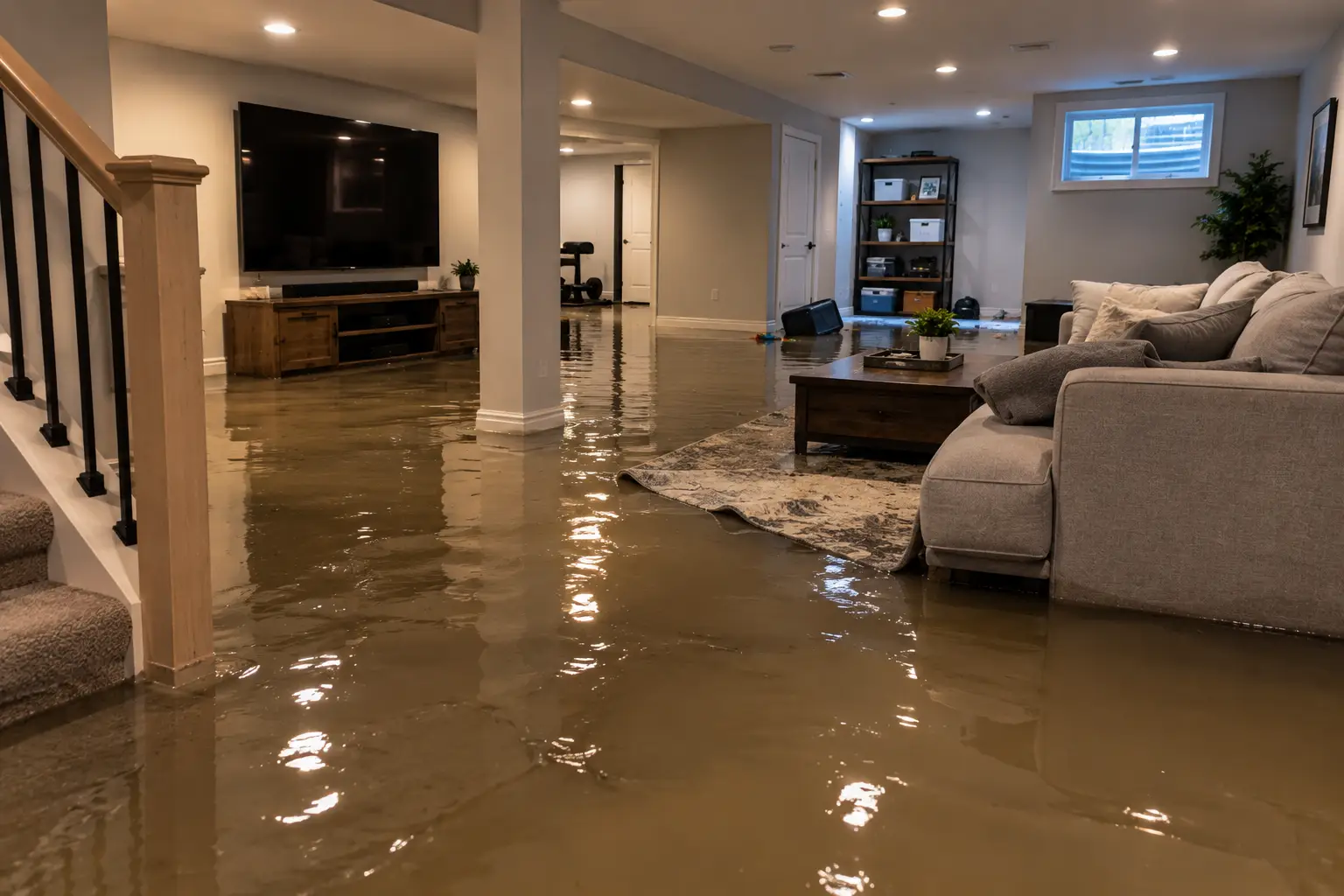
An emergency is any plumbing issue that creates an immediate risk to your home, health, or business operations. Active water leaks are the most obvious example. Water can move quickly through flooring, drywall, insulation, and finished basements. Even a small-looking leak can become expensive if it continues for hours behind a wall or ceiling.
Call for urgent help when a pipe has burst, a fixture will not stop overflowing, a water heater is leaking heavily, or a sump pump has failed while water is entering the basement. Sewer backups also require prompt attention. Wastewater in a tub, floor drain, toilet, or lower-level sink is not a problem to clean up and ignore. It can point to a blocked drain, a damaged sewer line, or a backup that needs proper diagnosis.
A loss of water can also be urgent, especially when it affects the whole home or a small business. In winter, no water may be linked to a frozen pipe, and waiting too long can allow that pipe to split as it thaws. If you smell gas, hear hissing near a gas appliance or line, or suspect a gas leak, leave the area, avoid switches and open flames, and contact the appropriate emergency authority and a qualified gas professional. Do not try to locate or repair a gas leak yourself.
What to Do Before the Plumber Arrives
Your first job is to make the situation safer, not to diagnose every detail. If water is actively flowing, shut off the nearest fixture valve if you can reach it safely. For a toilet, this is usually the valve on the wall behind or beside the toilet. For a sink, look inside the cabinet below it. If the leak is coming from a pipe, ceiling, water heater, or an unknown location, turn off the main water supply to the home.
Every homeowner should know where the main shutoff is before an emergency happens. It is often near the water meter, where the main service enters the house, or in a utility area. In some homes, it may be in the basement or mechanical room. Turning it clockwise typically closes the valve, but do not force an old valve that will not move easily.
Next, keep people away from the affected area. Water near electrical outlets, appliances, extension cords, or a panel is a safety concern. Avoid standing in water where electricity may be present. If a ceiling is bulging with water, keep clear of it. A ceiling can release a large amount of water when its material gives way.
For a drain or sewer backup, stop using water throughout the property. Do not flush toilets, run taps, use the dishwasher, or start laundry. Adding more water to the system can make the backup worse. If the issue is contained, take a few clear photos for your records, then focus on making the area accessible for the technician.
Problems That Usually Should Not Wait
Some situations are clearly urgent because delaying the repair can multiply the damage. These include:
- A burst or frozen pipe, especially during cold weather
- An overflowing toilet that cannot be stopped with the fixture shutoff
- Sewage backing up into drains, tubs, showers, or basement fixtures
- A leaking water heater, failed water-heater valve, or significant water around the tank
- A failed sump pump during heavy rain or when groundwater is entering the basement
- A suspected gas leak or a gas appliance issue creating a safety concern
There is a practical difference between inconvenience and an emergency. No hot water is frustrating, but a water heater that is leaking across the floor needs a faster response. A clogged kitchen sink may wait if no water is overflowing, while a main drain blockage affecting several fixtures generally should not. The right response depends on whether water, wastewater, or gas is uncontrolled and whether the property can be used safely.
Why Licensed Diagnosis Matters
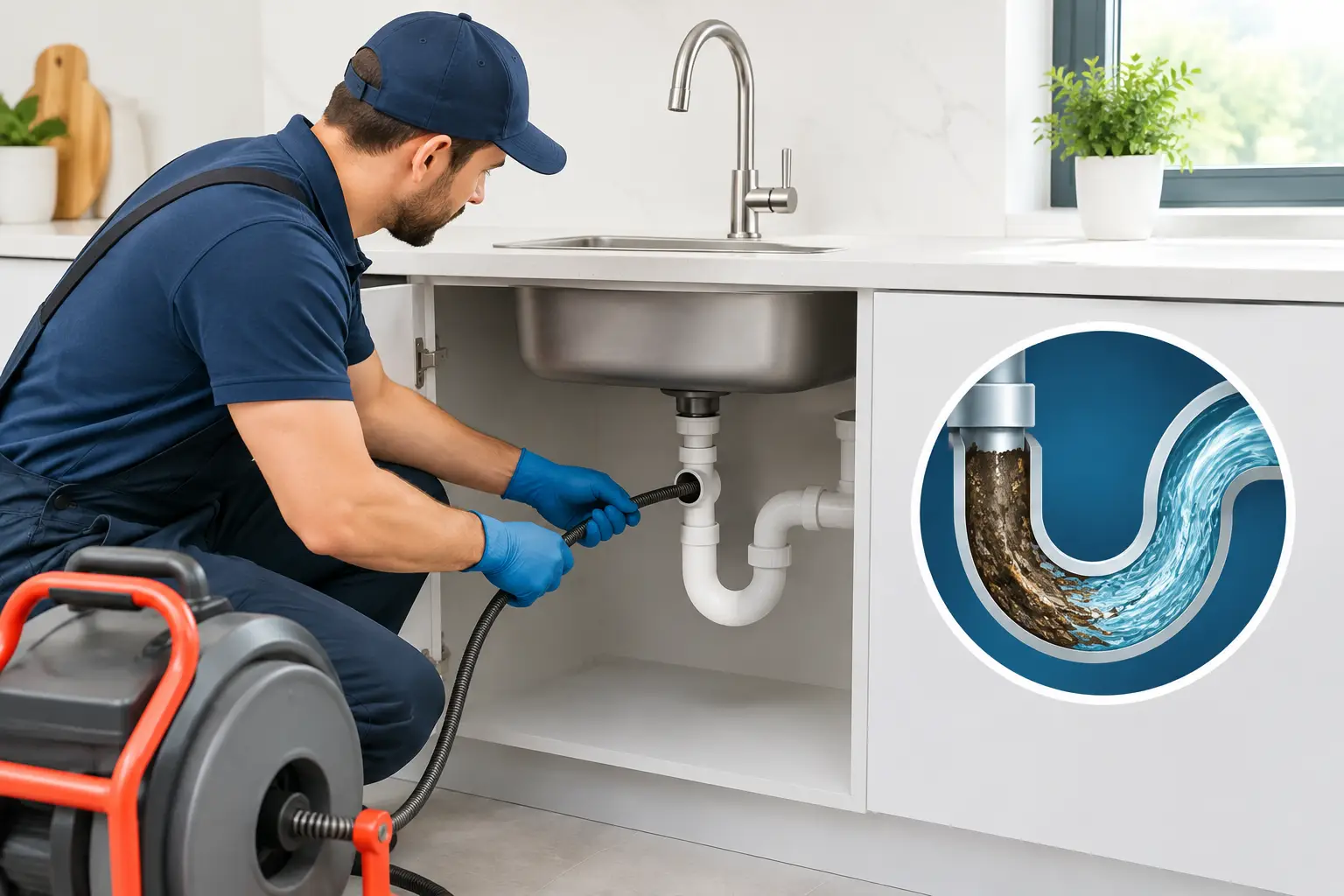
Temporary fixes can help contain a problem, but they rarely explain why it happened. A pipe may have split because it froze, corroded, shifted, or was damaged during a previous renovation. A recurring drain clog may be caused by grease buildup, tree-root intrusion, a broken pipe, or an issue farther down the line. Replacing a visible part without checking the system can lead to another call soon after.
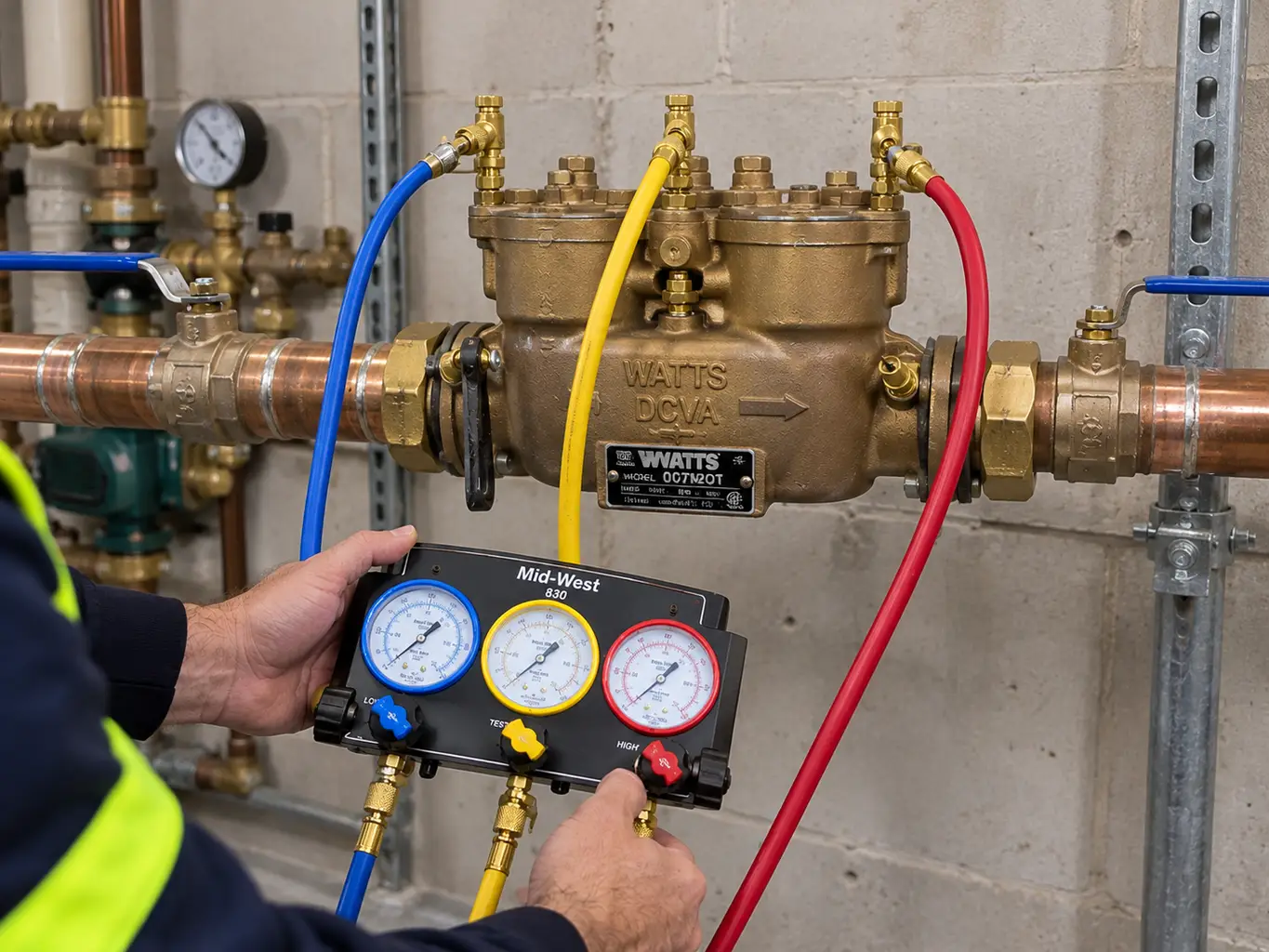
A qualified technician should identify the source, explain the repair in plain language, and let you know what needs immediate attention versus what can be planned. That is especially important with water heaters, sump pumps, backflow devices, and gas lines, where the wrong repair can create bigger safety or code concerns.
Forward Mechanical provides homeowners and local businesses across Durham Region with 24/7 emergency response from licensed professionals. Whether the issue is a burst pipe in Whitby, a backed-up drain in Oshawa, a failed sump pump in Ajax, or a water-heater leak in Bowmanville, the goal is the same: contain the problem, find the cause, and complete the repair properly.
What a Good Emergency Visit Looks Like
Emergency service should bring clarity to a stressful situation. The technician should assess the immediate risk, stop or isolate the leak where needed, and inspect the affected plumbing or mechanical equipment. In some cases, the permanent repair can be completed on the first visit. In others, especially when parts, excavation, restoration, or specialized equipment are involved, a safe temporary solution may be the right first step.
That is not a shortcut. It is often the most responsible approach when a property needs to be stabilized quickly. For example, a damaged section of pipe may need to be isolated before a larger replacement is scheduled. A drain issue may need diagnostic work before anyone can say whether the solution is cleaning, repair, or replacement. Clear communication matters because it helps you make decisions with the right information.
You should also expect respect for your home. Emergency work can be disruptive, but a professional team should protect work areas where possible, explain what is happening, and leave the site as clean and safe as the situation allows.
Preventing the Next Plumbing Emergency
Not all emergencies can be avoided, but simple maintenance can reduce the odds. Check under sinks and around toilets periodically for moisture, staining, or corrosion. Test your sump pump before spring rain by slowly pouring water into the pit and confirming that it starts and discharges properly. If your water heater is older, watch for rust, puddling, inconsistent hot water, or unusual sounds.
Avoid putting grease, wipes, coffee grounds, hygiene products, or heavy food waste down drains. Products labelled “flushable” can still contribute to blockages. During cold spells, keep vulnerable areas warm, disconnect outdoor hoses, and know which pipes are located along exterior walls or in unheated spaces.
The best time to find your water shutoff, inspect a sump pump, or address a slow drain is before the problem becomes urgent. But if water is running where it should not, sewage is coming back up, or a gas concern is making you unsure, act quickly. A prompt call and a clear path to the shutoff can turn a major disruption into a manageable repair.