When you need clogged drain cleaning Ajax homeowners can rely on, the priority is not just getting water moving again. It is finding out where the blockage is, what caused it, and whether it could return as a backup in your sink, shower, basement, or business. A slow drain can be an annoyance on Monday and a messy emergency by the weekend if wastewater starts coming back up.
A plunger may help with a minor, local clog. But repeated blockages, foul odours, gurgling fixtures, or water appearing in the wrong place call for a proper diagnosis. Acting early can protect flooring, fixtures, and the plumbing system behind your walls.
Clogged Drain Cleaning Ajax: Know What the Signs Mean
Not every slow drain has the same cause. A bathroom sink that drains slowly after shaving or brushing teeth may have soap residue and hair close to the stopper. A kitchen sink that backs up during dishes can point to grease, food debris, or a blockage farther down the branch line.
The more fixtures affected, the more seriously you should take it. If the toilet bubbles when the washing machine drains, or water rises in a shower when a toilet is flushed, the restriction may be in a shared drain line or the main sewer connection. These symptoms are not a good time to keep flushing, plunging, or pouring products down the drain. More water may simply force a backup into the lowest fixture in the home.
Bad smells matter too. A drain that smells like sewage, especially alongside slow drainage or gurgling, can indicate trapped waste, a blocked vent, or a developing sewer-line issue. The cause needs to be identified before anyone can recommend the right repair.
What Usually Clogs a Drain?
Most indoor drain blockages build gradually. Hair combines with soap scum in tubs and showers. Grease cools and sticks to kitchen piping, then catches small food particles. Toilet drains can clog when excessive paper, wipes, paper towel, hygiene products, or other non-flushable materials enter the system.
Outside and underground lines face different problems. Tree roots can enter older pipe joints through tiny openings, then expand as they seek moisture. Soil movement, cracked pipe, poor slope, or a damaged section of sewer line can also slow drainage and allow debris to collect. In some cases, heavy rain exposes a drainage or backwater-valve problem rather than creating the clog itself.
That is why the fastest-looking solution is not always the best one. Clearing a small hair clog is very different from removing roots or diagnosing a damaged underground pipe. A professional drain assessment helps avoid paying to clear the same line repeatedly without addressing the reason it keeps blocking.
What to Do Before a Plumber Arrives
Start by limiting the amount of water entering the affected drain. If a toilet, floor drain, or laundry drain is backing up, stop running nearby fixtures and avoid using the dishwasher or washing machine. If sewage is present, keep people and pets away from the affected area until it can be cleaned safely.
For a single sink or tub draining slowly, remove visible hair or debris from the stopper if it is safe and easy to do. A clean plunger used with enough water to cover the cup may clear a simple local blockage. Use a sink plunger for sinks and a flange plunger for toilets. If the drain opens up and stays open, monitor it for a few days.
Avoid mixing chemical drain cleaners or adding more product when the first application does not work. These products can be harsh on certain pipes and fixtures, create dangerous splashing hazards, and leave corrosive liquid sitting in the line for the person who later has to service it. They also rarely solve roots, heavy grease buildup, or a blockage deep in the main drain.
Do not force a coat hanger, wire, or improvised tool into the pipe. It can scratch fixtures, push debris deeper, or damage a trap. If you have already used a chemical product, tell the plumber before work begins so the technician can take the appropriate safety precautions.
How Professional Drain Cleaning Solves the Right Problem
Proper drain cleaning begins with listening to the symptoms and testing the affected fixtures. A licensed plumbing technician can determine whether the blockage is local to one fixture, located in a branch line, or affecting the main drain. That distinction guides the equipment and repair approach.
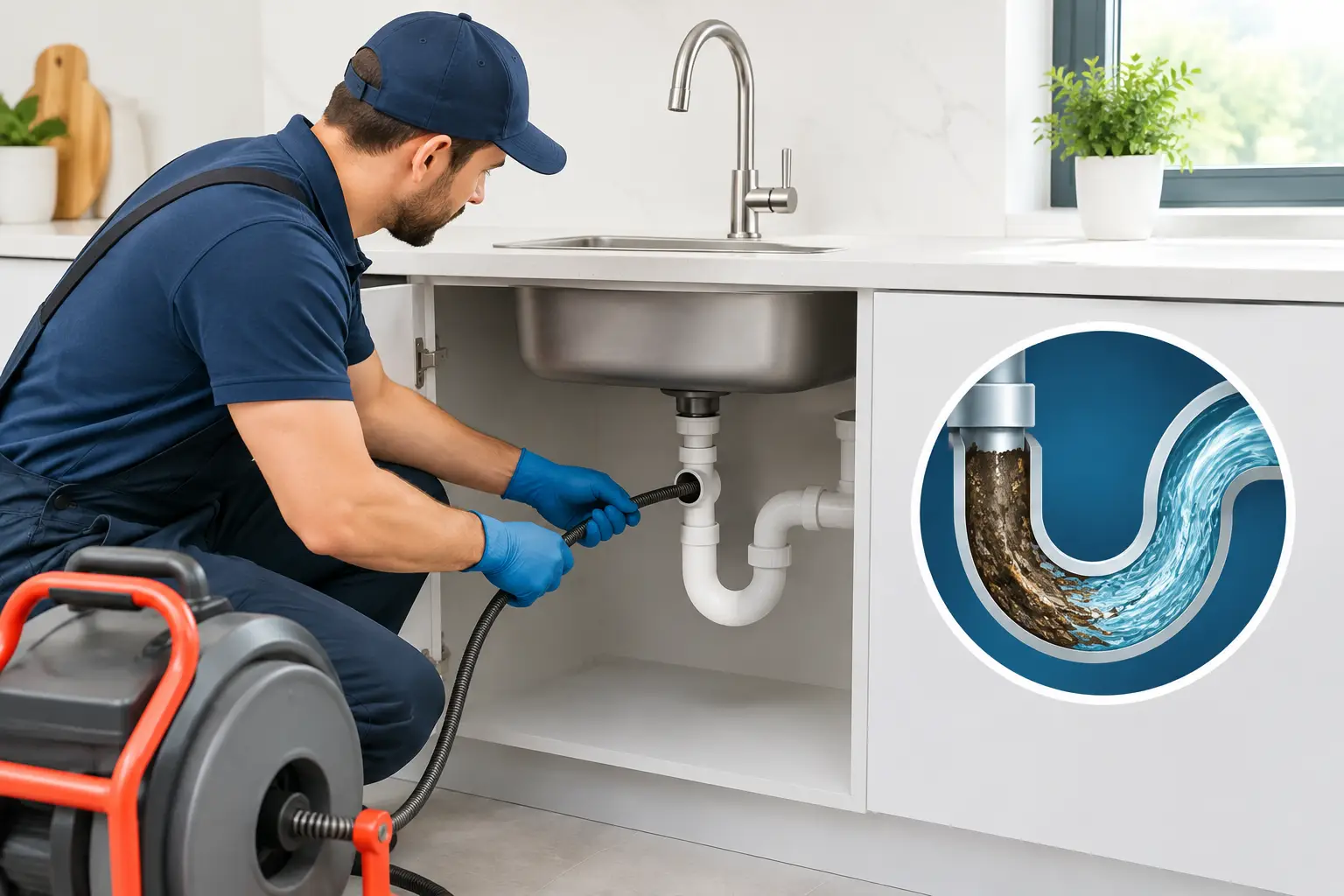
For many clogs, a professional drain machine or auger removes the obstruction and restores flow. The goal is to clear the line without damaging the pipe. For heavier buildup, grease, or recurring debris in suitable piping, high-pressure water cleaning may be recommended. This process uses controlled water pressure to scour material from the pipe walls rather than only punching a small opening through the blockage.
A drain camera inspection can be especially valuable when the same drain backs up more than once. The camera provides a clear look inside the line and may reveal root intrusion, a cracked pipe, a low spot where waste collects, or a foreign object. It also helps confirm whether cleaning solved the issue or whether a repair should be considered.
There are trade-offs. Not every drain needs a camera inspection, and not every pipe is a candidate for high-pressure cleaning. Older, fragile, or already damaged lines need an approach that reflects their condition. A dependable technician explains what was found, why a certain method is being recommended, and what the realistic next step is before moving ahead.
When a Clogged Drain Becomes an Emergency
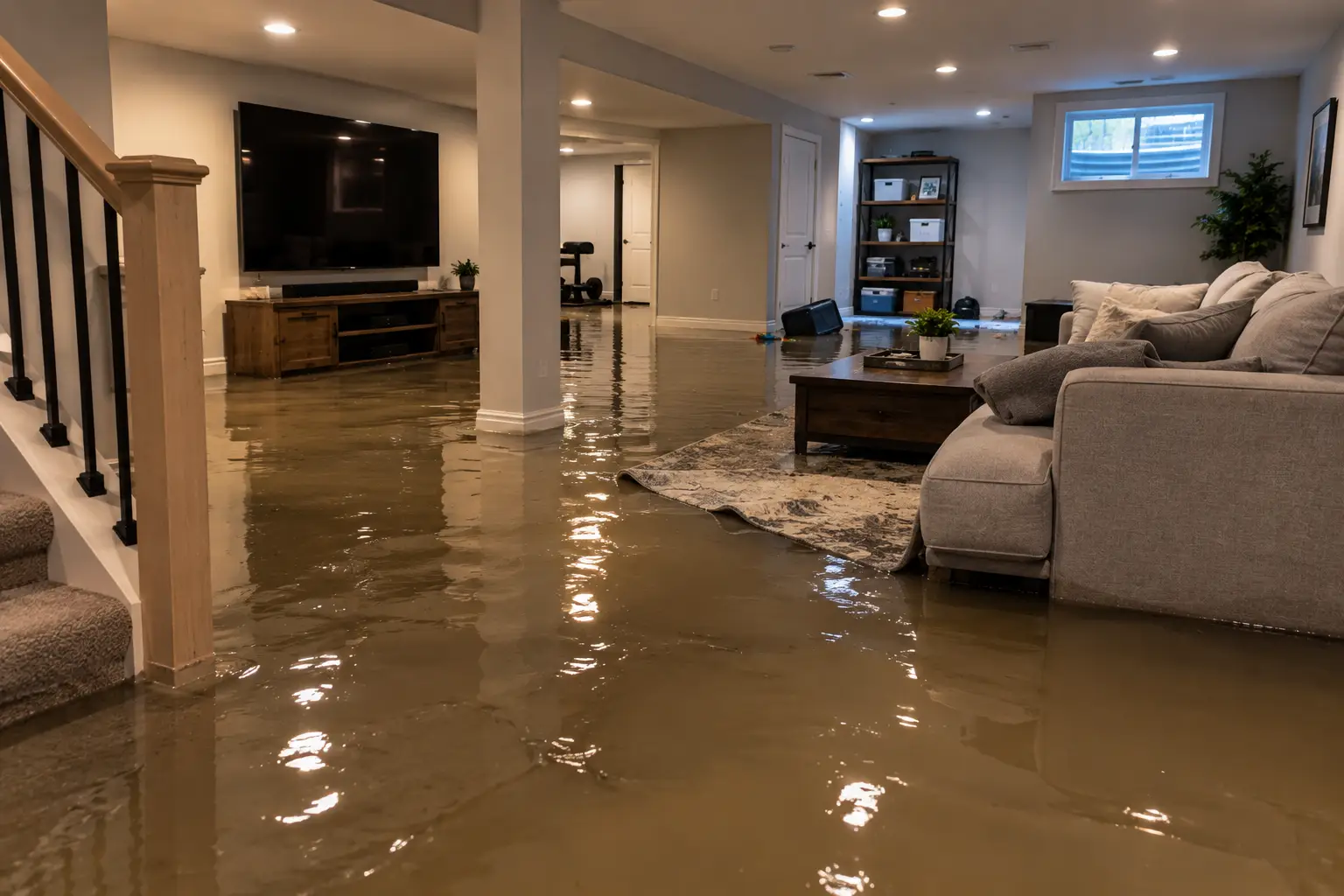
Call for urgent help if sewage is backing up into a tub, shower, sink, floor drain, or basement. The same applies when multiple fixtures stop draining at once, a toilet overflows and cannot be controlled, or a burst or leaking drain pipe is causing active water damage.
Small-business owners should also act quickly when a drain issue affects washrooms, food preparation areas, staff spaces, or customer access. Waiting can mean more cleanup, disrupted operations, and possible sanitation concerns.
Forward Mechanical provides responsive plumbing help for drain problems across Durham Region, including urgent situations where wastewater is already backing up. A fast response matters, but so does arriving prepared to diagnose the source and complete the work properly.
Preventing the Next Drain Blockage
The best drain maintenance is simple and consistent. Keep grease, cooking oil, coffee grounds, and food scraps out of kitchen drains. Let grease cool in a container and place it in the garbage rather than rinsing it away. In bathrooms, use a hair catcher and remove buildup before it reaches the pipe.
Only toilet paper and human waste should go down the toilet. Products labelled flushable can still collect in pipes and contribute to clogs, particularly in older plumbing systems. Paper towel, wipes, dental floss, cotton products, and hygiene items belong in the garbage.
If your home has mature trees near the sewer route, has a history of backups, or sits in an area prone to heavy-rain drainage issues, preventative inspection is worth considering. A scheduled check can identify developing trouble before it becomes a late-night cleanup.
A drain should carry wastewater away quietly and without becoming part of your day. If it is slow, noisy, smelly, or backing up, stop adding water and get the cause checked before a small blockage turns into damage that spreads beyond the pipe.