A cross-connection can be easy to overlook. It may sit in a mechanical room, behind a boiler, near an irrigation line, or in a commercial wash area doing its job quietly for years. But if pressure changes in the wrong direction, that connection can allow non-potable water to move back toward the drinking-water supply. That is why backflow testing Durham Region property owners arrange is more than a box to tick. It is a practical check that a critical safety device will operate when it is needed.
For homeowners, landlords, condominium managers, and business owners, the goal is straightforward: keep the water supply protected, meet applicable local requirements, and catch a failing device before it becomes a larger problem.
What backflow prevention actually does
Water is supposed to travel one way: from the municipal supply into your building’s plumbing system. Backflow occurs when water moves in the opposite direction. This can happen through back-siphonage, such as when a water-main break or high demand lowers supply pressure, or through back-pressure, when pressure within a building’s system becomes higher than the incoming supply.
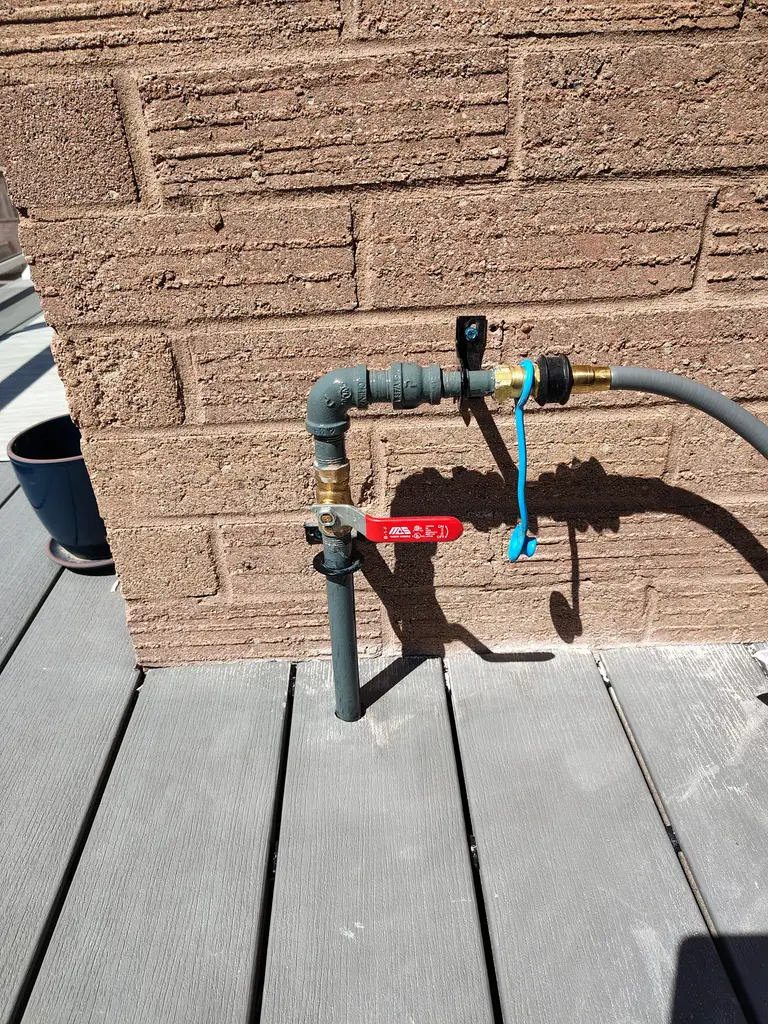
A properly selected backflow preventer is installed at a cross-connection or near the water service to stop that reverse movement. The device type depends on the hazard and the application. Irrigation systems, fire protection equipment, commercial kitchens, boilers, chemical mixing stations, medical or dental equipment, and certain industrial processes can all present different risks.
Not every property needs the same device or testing schedule. Requirements can depend on the municipality, the building’s use, the water service arrangement, and the degree of hazard involved. That is why a site-specific assessment is much more useful than a one-size-fits-all answer.
Why backflow testing in Durham Region matters
A backflow preventer has moving internal parts, including check valves, springs, seals, and relief components. Like any mechanical device, those parts can wear, stick, leak, corrode, or become obstructed by debris. A device may look fine from the outside while failing to provide the protection it was designed for.
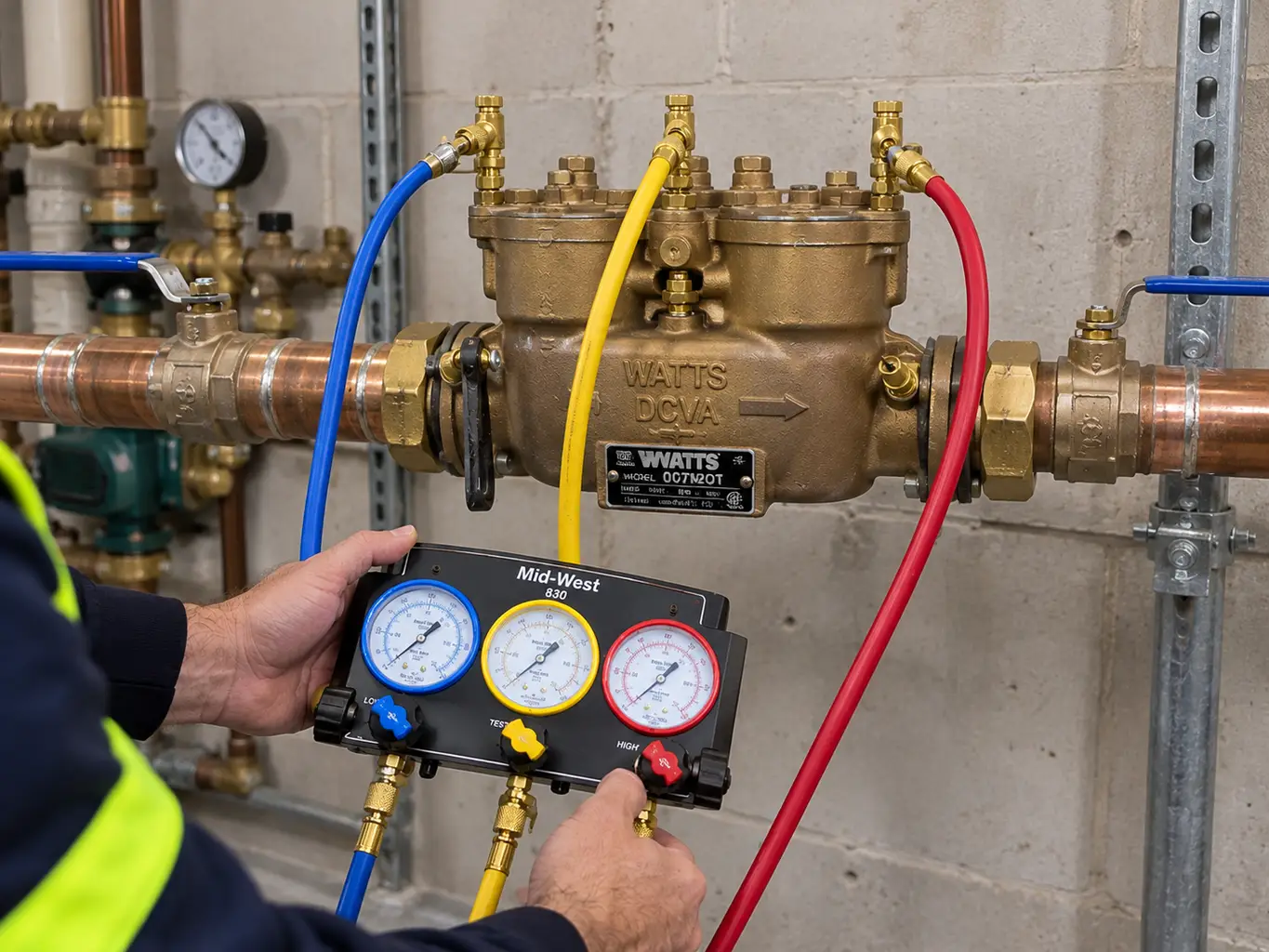
Testing verifies the operating condition of the assembly under controlled conditions. A qualified tester uses calibrated equipment to check pressure readings and confirm that the internal components are functioning as required. If the device does not pass, the issue can be identified and addressed before the assembly is returned to service.
For commercial and multi-unit properties, regular testing also supports accountability. Property managers need clear records for their files, tenants need reliable building systems, and owners need to avoid surprises during inspections or compliance reviews. A missing report or an overdue test can become an avoidable administrative headache, particularly when several properties are involved.
There is also a practical financial reason to stay ahead of the work. Repairing a device during a scheduled visit is usually simpler than responding to a failure that has interrupted operations, affected a water service, or raised concerns with a local authority.
Who should arrange a test?
Backflow testing is commonly associated with commercial, industrial, institutional, and multi-residential buildings, but some residential properties also have equipment that warrants attention. An irrigation system, a boiler setup, a pool-related water connection, or a dedicated water treatment arrangement may create a cross-connection that should be assessed.
If you own or manage a restaurant, salon, automotive facility, medical or dental office, warehouse, apartment building, condominium, or plaza, backflow prevention should be part of your routine plumbing maintenance planning. These environments often contain equipment or processes that create a higher risk than a typical single-family home.
The right question is not simply, “Do I have a backflow device?” It is, “What is connected to my water system, what level of protection does it require, and what does my local authority require?” A professional plumbing team can help identify the assembly, locate it, review visible conditions, and explain the next sensible step in plain language.
Annual testing is common, but confirm your requirement
Many backflow assemblies are tested annually, particularly where a municipality or water authority has an established cross-connection control program. However, the exact requirement can vary. Some properties receive notices or have reporting obligations, while others need an initial review to determine what applies.
Do not assume a past test automatically means everything is current. Ownership changes, renovations, changes in business use, new equipment, or a newly added irrigation line can alter the situation. If you have a notice, keep it handy when you call. It often contains the device information, due date, or reporting details that help move the process along.
What happens during a backflow test?
A professional appointment should be organized, not disruptive. Before testing begins, the technician confirms the device location and access, reviews the assembly, and explains whether a temporary water interruption is expected. For many commercial sites, scheduling around peak hours can make a real difference. A restaurant does not need its water service adjusted during the lunch rush, and a busy office does not need a surprise shutdown during a tenant meeting.
The tester connects specialized gauges to the assembly and performs a series of checks. These readings show whether the check valves hold as intended and whether other components are responding properly. The process is precise, but the explanation should not be complicated. You should be told whether the device passed, whether repairs are recommended, and what documentation is available after the work.
If repairs are required, the scope depends on the device and the condition found. Sometimes a service kit or internal repair is appropriate. In other cases, corrosion, damage, age, access issues, or an outdated installation may make replacement the better long-term choice. Honest advice means explaining both the immediate repair and the likely lifecycle of the assembly, rather than pushing a replacement when a repair will do.
Common signs your device needs attention
A backflow preventer does not always announce a problem dramatically. Still, there are clues that should prompt a call. Water leaking from the relief valve, visible corrosion, dripping fittings, unusual pressure changes, or a device that has not been tested in years all deserve attention.
For businesses, a compliance notice, an overdue testing reminder, or a missing previous report are equally good reasons to act. Waiting until the due date has passed can limit scheduling options and create unnecessary pressure for everyone involved.
It is also worth calling after major plumbing changes. A new boiler, renovation, irrigation installation, commercial equipment upgrade, or change in occupancy can affect cross-connection control needs. This is especially true for landlords and property managers who inherit systems installed by previous owners or contractors.
Testing, repairs, and installation should work together
Backflow work is most effective when testing is connected to the rest of the plumbing system. A failed device may be the immediate issue, but the surrounding piping, shut-off valves, drainage, access, and winter protection can affect how reliably the system performs over time.
For example, an exterior or poorly insulated installation may be exposed to freezing conditions. A device located behind storage or above a finished ceiling may be difficult to test and maintain. A drain problem near the assembly can make a relief-valve discharge more difficult to manage. Addressing these concerns early helps reduce repeat visits and protects the investment in the device itself.
Forward Mechanical Services Inc. can help Durham Region property owners with backflow prevention, testing support, repairs, related plumbing work, and straightforward recommendations. Whether the need is a scheduled test, a leaking assembly, or a question about a newly installed system, the focus should be on clear answers and clean, professional work.
A few ways to make the appointment easier
Before the technician arrives, make sure the device is accessible and that staff, tenants, or household members know a test is being completed. If the assembly is in a locked mechanical room, arrange access. If it serves a business area, choose a quieter time where possible.
Keep any previous reports, municipal notices, or device records available. They can help confirm the assembly type and avoid guesswork. If you have noticed leaks, low pressure, freezing, or recent plumbing changes, mention those details when booking. Small pieces of information often help a technician arrive prepared.
Good backflow protection is quiet, routine work – which is exactly how it should be. A properly tested device gives you one less thing to worry about while protecting the people who use your property’s water every day. If a due date is approaching or a device is showing signs of trouble, arranging service now is the calmer, safer choice.