A burst pipe can go from a small spray behind a wall to soaked flooring, damaged ceilings, and a stressful insurance claim in minutes. Knowing the right burst pipe emergency steps gives you a better chance of limiting the damage before a plumber arrives. The goal is simple: stop the water, protect people and property, then get a professional repair underway.
Burst Pipe Emergency Steps: Act in This Order
Shut off the main water supply
Your first move is to stop more water from entering the plumbing system. Find your home’s main shut-off valve, which is often near the water meter, where the main water line enters the house, or in a utility room, basement, crawlspace, or mechanical room. Turn it clockwise until it stops.
If you are in a condo, apartment, or commercial unit and cannot access the main valve, contact building management immediately. They may need to shut off water to your unit or a section of the building. In a detached home, it is worth showing every adult in the household where the main shut-off is before an emergency happens.
If the burst is isolated to a toilet, sink, washing machine, dishwasher, or water heater connection, closing that fixture’s local valve may be enough. When water is spreading quickly or you are unsure which line has failed, shut off the main supply. It is safer to be without water for a few hours than to let a hidden leak continue feeding damage.
Keep clear of electrical hazards
Water and electricity are a dangerous combination. Do not step into standing water where extension cords, outlets, appliances, electrical panels, or power bars may be present. If water is near electrical equipment and you can safely reach the breaker panel without walking through water, turn off power to the affected area.
Do not touch the panel if it is wet or if water is pooling around it. Leave the area and call for professional help. A burst pipe in a ceiling can also cause light fixtures to fill with water, so keep people away from sagging ceilings, wet drywall, and anything that may collapse.
Call a 24/7 emergency plumber
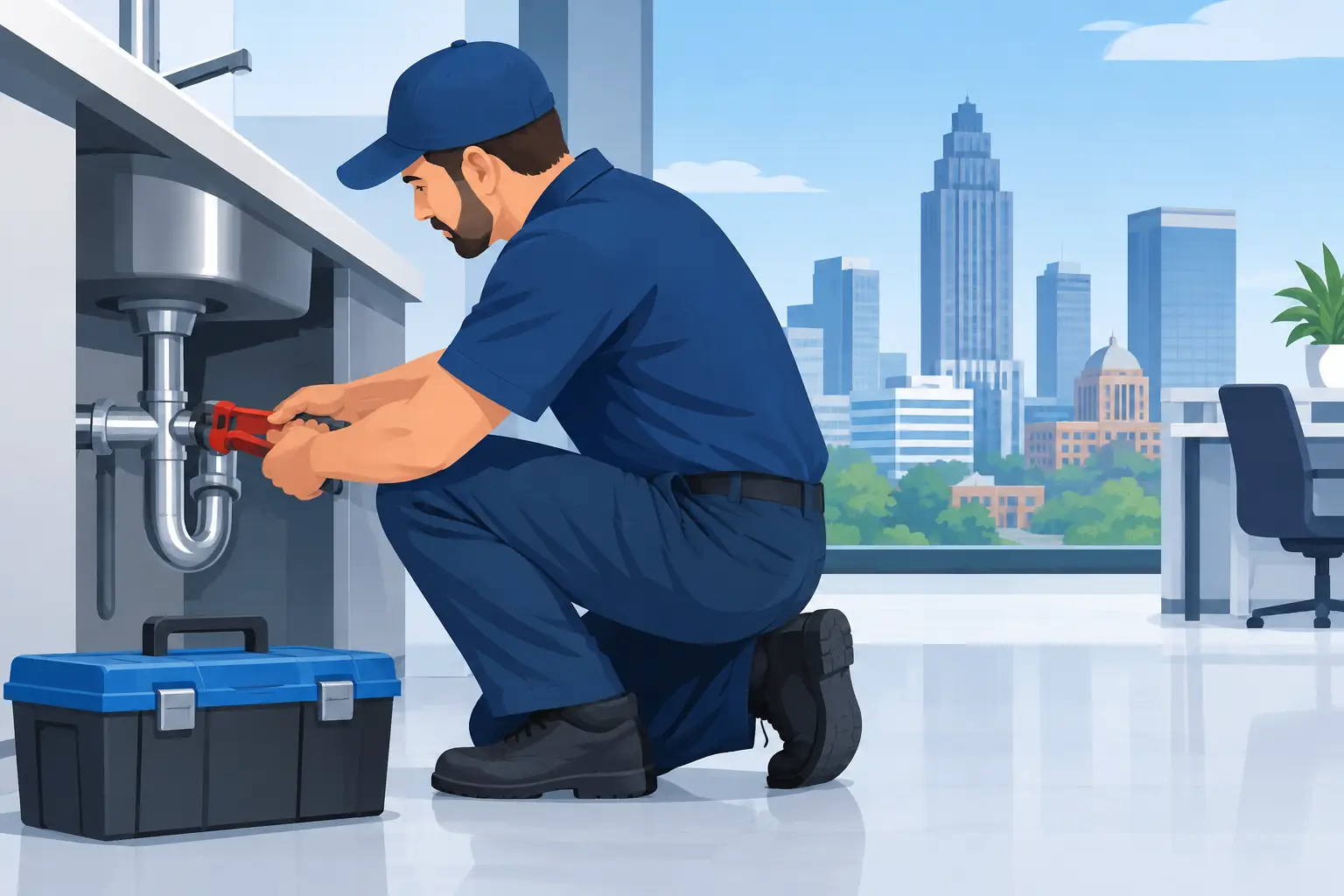
Once the water is off and the immediate area is safe, arrange an emergency plumbing repair. A burst pipe needs more than a quick patch. The plumber will locate the exact failure, assess whether freezing, corrosion, high pressure, poor installation, or physical damage contributed to it, and make a repair suited to the pipe material and location.
When you call, explain where the water appeared, whether the pipe is visible, if the home has lost water pressure, and whether the problem followed a cold snap or recent renovation. This helps the technician arrive prepared. For homes and businesses in Durham Region and Scarborough, Forward Mechanical Services Inc. provides 24/7 emergency plumbing assistance at 905-439-4360.
Drain the remaining water from the lines
After the main water is shut off, open cold-water taps at the lowest point of the home, such as a basement laundry sink or exterior tap if it is safe to access. Then open a few faucets on upper floors. This releases pressure and drains water that could otherwise continue dripping from the damaged section.
Flush toilets once to empty their tanks, but avoid repeatedly flushing if the water supply is off. If the burst pipe is connected to a hot-water line, turn off the water heater’s energy source only if you can do so safely. For an electric water heater, switch off the breaker. For a gas unit, follow the manufacturer’s shutdown instructions or wait for the plumber if you are not comfortable operating it. A water heater should not continue heating when its tank may be empty.
Protect Your Home While You Wait
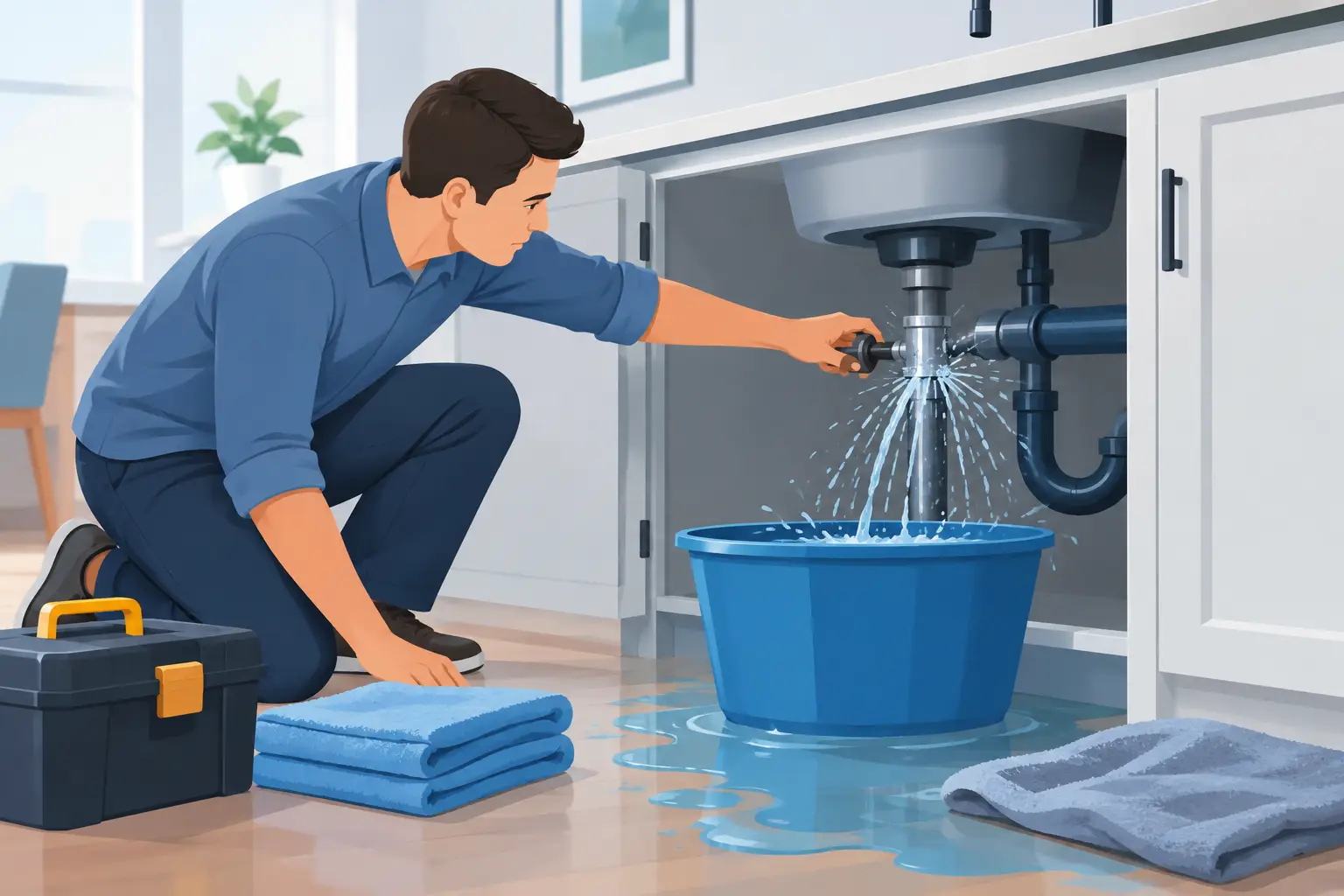
Stopping the flow is the urgent part. The next hour is about reducing secondary damage. Move furniture, rugs, boxes, electronics, and valuables away from the wet area. Place towels, buckets, or shallow containers under active drips, but do not rely on them as a substitute for shutting off the water.
Use towels, a wet/dry vacuum, or a mop to remove accessible water. Fans can help dry floors and surfaces once the area is electrically safe, though they will not solve moisture trapped inside walls, insulation, or subfloors. If water has soaked drywall, hardwood, laminate, carpeting, or cabinetry, document the condition and consider contacting your insurer promptly. Fast drying can make a real difference, but some situations require professional water restoration.
Take clear photos and short videos before moving too much, especially if the leak has damaged finished areas, contents, or a ceiling below. Keep notes on when you discovered the issue, when water was shut off, and the emergency repair work performed. Your insurer may request this information.
What Not to Do With a Burst Pipe
A little caution can prevent an already bad situation from becoming worse. Avoid trying to solder, glue, or permanently repair a wet, pressurized pipe yourself. Temporary pipe clamps and repair tape may slow a minor leak in certain circumstances, but they are not a dependable fix for a split pipe and can obscure the actual issue.
Do not use an open flame, propane torch, or high-heat device to thaw frozen plumbing. Pipes can overheat, nearby materials can ignite, and sudden thawing can reveal more than one split. A hair dryer on a low setting may be suitable for a small, accessible frozen section before it bursts, but only when the area is dry and free of electrical hazards. If a pipe has already burst, focus on shutoff and repair.
It is also tempting to turn the water back on after a leak appears to stop. Do not do this until the repair has been completed and tested. A damaged section can reopen under pressure, often when no one is watching.
Why Pipes Burst in Ontario Homes
Frozen pipes are a familiar cause during Ontario winters, particularly in exterior walls, unheated basements, garages, crawlspaces, and cabinets along outside walls. Water expands as it freezes, placing enormous pressure on the pipe. The split may not become obvious until temperatures rise and the ice begins to thaw.
Freezing is not the only cause. Older galvanized or copper piping can weaken from corrosion. Plastic pipe can crack from impact or poor support. High water pressure, failed fittings, and aging washing machine supply hoses can also cause sudden water loss. In commercial properties, vacant units and areas with inconsistent heating deserve special attention because a small temperature drop can go unnoticed for days.
A professional diagnosis matters because the visible break may be the symptom, not the whole problem. Replacing one section without addressing pressure, insulation, pipe condition, or an underlying installation issue can leave you facing the same emergency later.
Prevent the Next Burst Pipe Emergency
After the repair, ask what practical prevention makes sense for your property. The right answer depends on the pipe location, age of the plumbing, insulation level, and whether the building is occupied consistently.
Keep indoor temperatures steady during cold weather, including when you are away. Open cabinet doors beneath sinks on exterior walls to allow warm room air to circulate. Disconnect and drain outdoor hoses before freezing temperatures arrive, and make sure exterior shut-off valves are closed where applicable. Insulating vulnerable pipes can help, but insulation alone does not replace adequate heat.
For rental homes, cottages, and commercial spaces, a winter property check is a sensible precaution. Property managers should also ensure tenants know who to call and where the main water shut-off is located. Clear instructions can prevent a small leak from becoming a major restoration project.
A burst pipe is disruptive, but calm, quick action protects your home and gives the repair team a cleaner starting point. Learn where your shut-off valve is now, keep the area around it accessible, and save the number of a qualified emergency plumber before the next cold night puts your plumbing to the test.