A drain that keeps clogging is rarely just having a bad day. If the kitchen sink slows again weeks after being snaked, the basement floor drain backs up during laundry, or several fixtures gurgle at once, there may be buildup throughout the line. Hydroflushing is a professional drain-cleaning method that uses controlled high-pressure water to clear that buildup from the inside of the pipe.
It is not the right answer for every blockage, and it should never be treated as a shortcut. Done after the proper assessment, however, it can be one of the most effective ways to restore a dirty, restricted drain line and help prevent repeat calls.
What is hydroflushing?
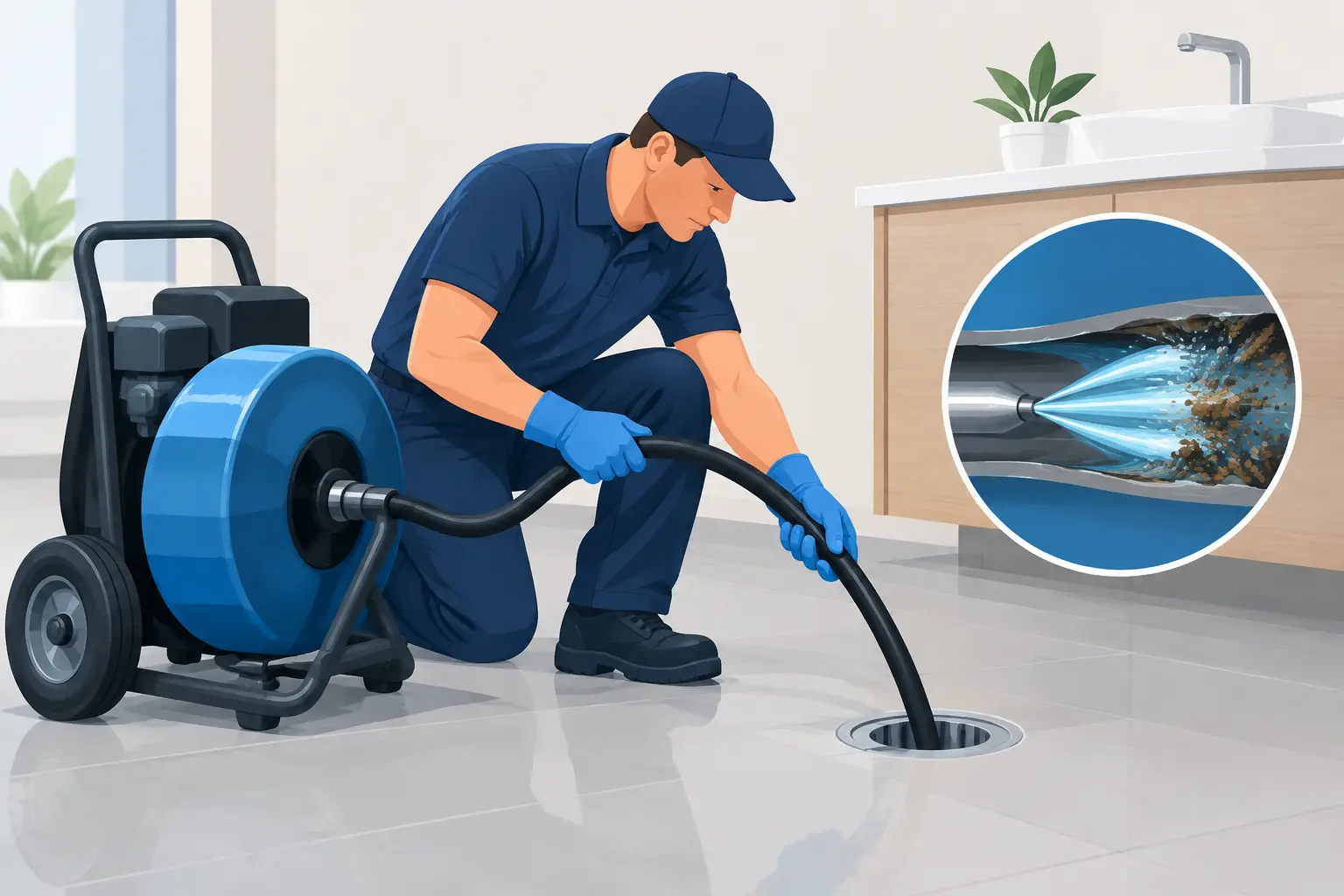
Hydroflushing, often called hydro jetting, uses a specialized hose and nozzle connected to equipment that sends water through a drain at high pressure. The nozzle is designed to move through the pipe while directing water forward and backward. Forward jets help break through the obstruction; rear-facing jets pull the hose along and scour debris from the pipe walls.
A drain snake works differently. It uses a cable and cutting head to punch through or grab a blockage. That can be exactly what is needed for a local clog, such as hair close to a shower drain or a wad of paper in a toilet branch line. But a snake often creates a path through grease, sludge, scale, or soft buildup without removing much of the material still attached to the pipe.
Hydroflushing is intended to clean more of the pipe’s internal surface. It can wash out grease, soap residue, food debris, sediment, paper products, and loose scale, carrying the material downstream to the municipal sewer or an appropriate outlet. The goal is not simply to get water moving today. It is to leave the line cleaner than a basic opening of the blockage would.
When hydroflushing makes sense
The best candidate is a drain that has recurring trouble but is still structurally suitable for high-pressure cleaning. Kitchen drains are a common example. Cooking grease may be poured in as a liquid, but it cools and sticks to pipe walls. Add food particles and detergent residue, and the line slowly narrows until the sink starts draining like it is thinking about it.
Hydroflushing can also help with main sewer lines affected by years of normal household use. In homes with older plumbing, scale and mineral deposits may collect inside cast iron or galvanized piping. In commercial settings, restaurants, salons, rental buildings, and small businesses can experience frequent drainage issues from higher use and different types of waste entering their lines.
For property managers and landlords, preventative drain cleaning can be particularly useful where a line has a known history of backups. It may reduce disruptive emergency calls, protect tenants, and give everyone a clearer picture of the condition of the drainage system.
Signs that a professional assessment may be worthwhile include:
- Multiple drains running slowly or backing up at the same time
- Gurgling toilets, sinks, or tubs when another fixture is used
- Repeated clogs in the same kitchen, laundry, or main sewer line
- Sewage odours or water appearing at a floor drain
- A sewer backup that has been cleared before but keeps returning
One slow bathroom sink may only need a trap cleaned or a short section snaked. Several fixtures acting up together usually point to a larger issue further down the line.
Why a camera inspection matters first
High-pressure water is powerful cleaning equipment, not a magic wand. Before hydroflushing a questionable sewer line, a technician may recommend a sewer camera inspection. The camera shows what is inside the pipe and, just as importantly, whether the pipe is in condition to be cleaned this way.
A camera can reveal root intrusion, cracked sections, separated joints, sagging pipe, heavy scale, construction debris, or a collapsed portion of line. If a pipe has severe damage, forcing water through it may not solve the real problem. The appropriate recommendation could be targeted repair, replacement, or another method of clearing the line.
This is especially relevant in older homes across Durham Region and Scarborough, where underground sewer lines may be decades old and made from materials that have aged differently over time. Honest drain service means explaining what the camera shows, what can reasonably be cleaned, and what may need repair later. A clear video inspection also helps homeowners make decisions based on the actual condition of the pipe rather than guesswork.
What hydroflushing can and cannot fix
Hydroflushing is excellent for buildup. Grease, sludge, paper residue, loose debris, and some root masses can often be cleared effectively. It can improve flow in a line that is restricted but still intact.
It cannot permanently correct a broken pipe, a major belly in the sewer line, improper pipe slope, or joints that have separated. Roots are another good example of the difference between cleaning and repair. High-pressure water can cut through and flush away roots that have entered a pipe, but it cannot seal the opening where those roots got in. If the pipe has damaged joints or cracks, roots may return over time.
The same applies to heavy mineral scale. Cleaning can restore useful flow, but badly deteriorated cast iron may eventually require repair or replacement. The right solution depends on the material, age, layout, and condition of the drain line. A professional should explain the trade-off plainly: cleaning may be the sensible immediate step, while repair may be the better long-term investment if the pipe is failing.
What to expect during a professional drain-cleaning visit
A good service visit begins with questions. When did the problem start? Which fixtures are affected? Has the drain backed up before? Are there trees near the sewer route, recent renovations, or a history of wipes, grease, or other materials entering the drain?
The technician then identifies an appropriate access point, such as a cleanout, floor drain, or other service opening. Depending on the symptoms and the pipe condition, the line may be inspected with a camera before cleaning. The work area should be protected and kept tidy, because drain cleaning is already enough excitement for one day.
After the line is hydroflushed, it can be camera-inspected again to confirm improved flow and show any remaining concerns. You should receive a straightforward explanation of the results: whether the line was cleared, whether roots or damage were found, and whether preventive maintenance or repair should be considered.
Forward Mechanical Services Inc. approaches drain problems this way because a quick answer is only useful when it is the right answer. For urgent sewer backups, professional assessment and clear communication matter just as much as getting the water moving again.
Preventing the next blockage
Even a thoroughly cleaned line can clog again if the same materials continue entering it. In kitchens, let grease cool in a container and dispose of it in the garbage instead of washing it down the sink. Use sink strainers for food scraps, and remember that a garburator does not make grease or fibrous foods disappear from the plumbing.
In bathrooms, keep wipes, facial tissue, cotton products, dental floss, and hygiene products out of the toilet. Products labelled “flushable” can still cause trouble in older or partially restricted sewer lines. Hair catchers in showers and tubs are a small, inexpensive habit that can prevent a very ordinary clog.
For buildings with repeat issues, scheduled camera inspections or cleaning may be more practical than waiting for another backup. That is not necessary for every home, but it can be a sensible plan for properties with mature trees, older sewers, high occupancy, or a documented history of drain problems.
When to call for help
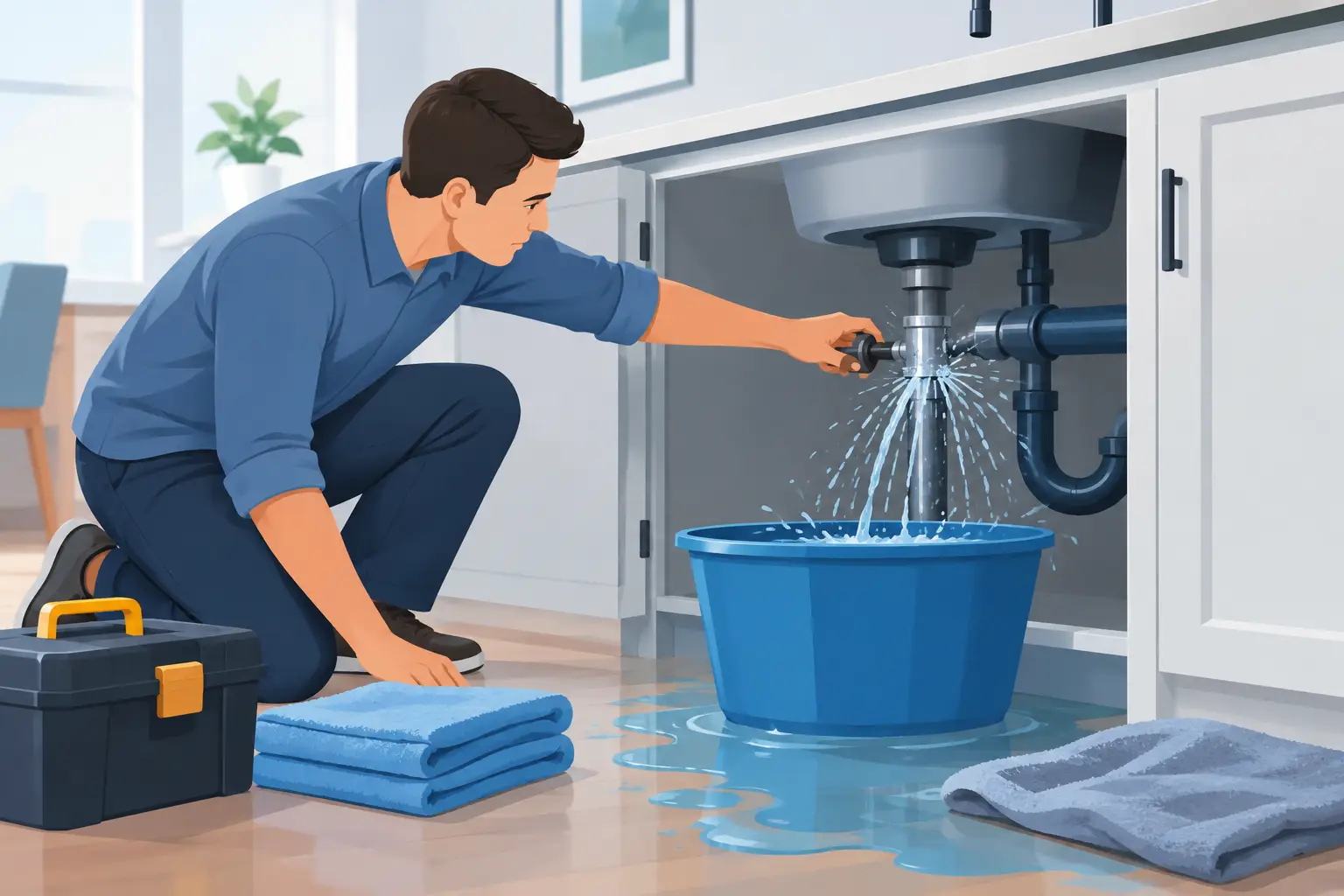
Call promptly if sewage is backing up into a tub, shower, floor drain, or basement. Stop using water fixtures where possible, since flushing toilets, running the dishwasher, or doing laundry can add more water to an already blocked line. If the backup is near electrical equipment, avoid the area and do not attempt a do-it-yourself repair.
A recurring slow drain deserves attention before it becomes a messy emergency. Hydroflushing may be the practical answer, or a camera inspection may show that another repair is needed. Either way, the most useful next step is finding out what your drain is trying to tell you while the problem is still manageable.