A blocked staff washroom, water appearing beneath a restaurant sink, or a boiler room drain backing up can interrupt far more than a normal workday. Commercial plumbing Durham property owners need is about protecting customers, employees, inventory, and the building itself – not just getting water flowing again.
For a small business, landlord, facility manager, or commercial property owner, the right response starts with a clear diagnosis and a repair plan that considers how the building is used. The quickest repair is not always the best value if the underlying issue is likely to return next month.
Commercial Plumbing in Durham Starts With the Right Diagnosis
Commercial plumbing systems work harder than most residential systems. Washrooms see higher traffic, kitchens deal with grease and food debris, and older multi-unit buildings can have a mix of original piping and newer renovations. A symptom such as a slow drain or low water pressure may point to a local fixture issue, a shared drain line, a failing valve, pipe buildup, or a problem farther down the sewer connection.
That is why guessing can be expensive. A professional technician should assess what is happening, explain the likely cause in plain language, and recommend the appropriate next step. In many cases, a drain camera inspection can show whether roots, a broken pipe, grease buildup, scale, or a foreign object is causing the issue. It gives owners useful information before approving excavation or a larger repair.
A good diagnosis also helps decide whether the problem needs immediate work or can be planned around business hours. A dripping faucet in an unused washroom may be scheduled. A sewage backup near a food-preparation area cannot wait.
Problems That Need Prompt Attention
Some plumbing issues become more disruptive and costly by the hour. Water can travel behind walls, under flooring, and into neighbouring units before it is visible. Sewer issues can create sanitation concerns and may force a business to close part of its space.
Call for professional help promptly when you notice any of the following:
- Water leaking from ceilings, walls, mechanical rooms, or beneath fixtures
- Sewage odours, gurgling drains, recurring backups, or water rising in floor drains
- No hot water for tenants, employees, customers, or commercial equipment
- A failed sump pump, especially during heavy rain or spring thaw
- Frozen or burst pipes, sudden low pressure, or a water meter that keeps moving when fixtures are off
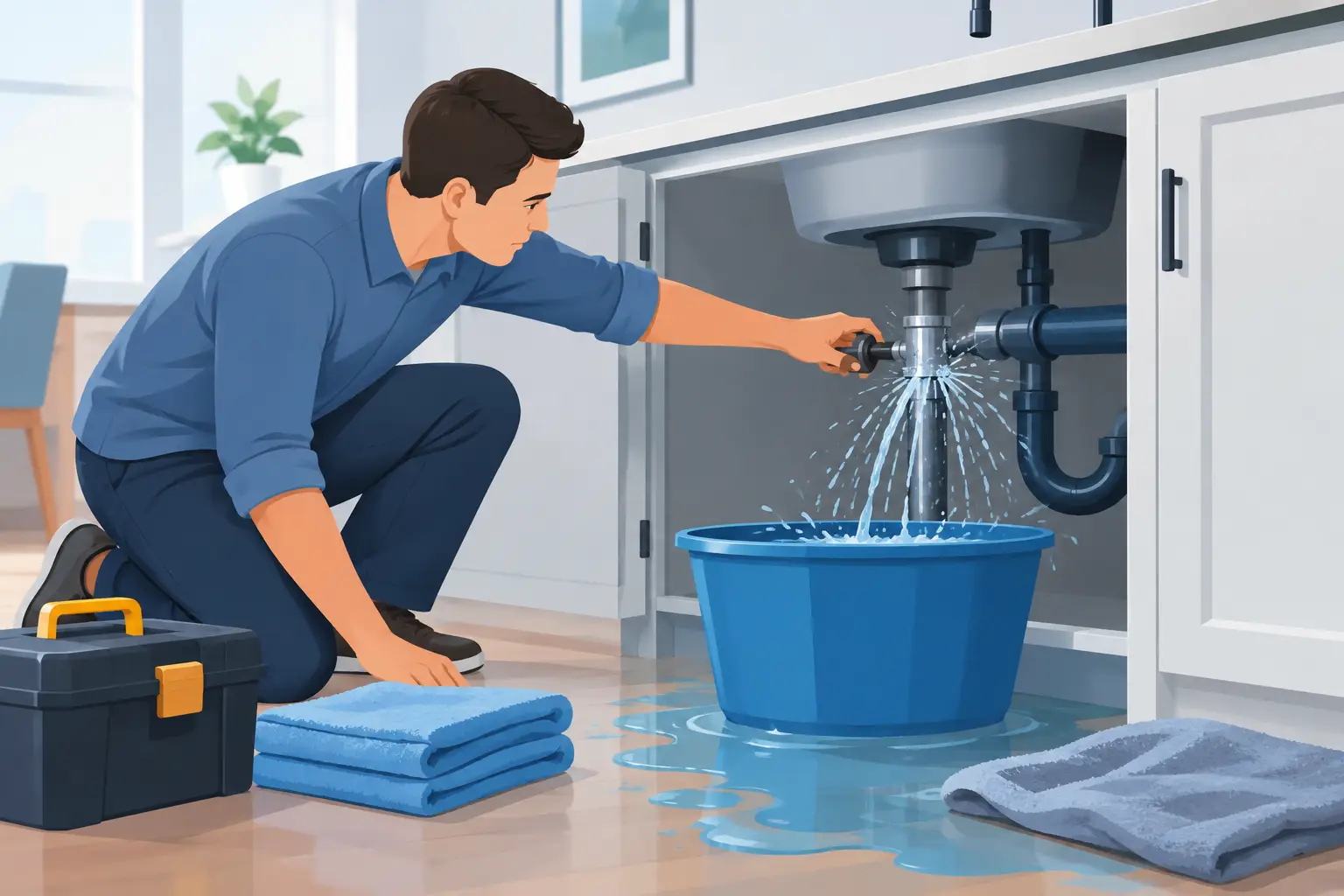
The first priority is safety and damage control. If water is actively leaking, shut off the local supply valve when it is safe to do so. If you cannot isolate the fixture, use the building’s main shutoff if you know where it is and can access it safely. Keep people away from wet electrical areas, and avoid using fixtures connected to a suspected sewer backup.
For urgent situations, 24/7 emergency service matters. The goal is not simply to make the issue disappear for the night. It is to stop the damage, identify the cause, and make a dependable repair or provide a clear plan for any follow-up work.
Drain Care Is a Business Continuity Issue
Commercial drain problems are often preventable, but only when warning signs are taken seriously. Restaurants and food-service spaces are especially vulnerable to grease accumulation. Retail spaces, offices, salons, clinics, and apartment buildings can also face clogs from paper products, wipes, hair, soap residue, and items that should never enter a drain.
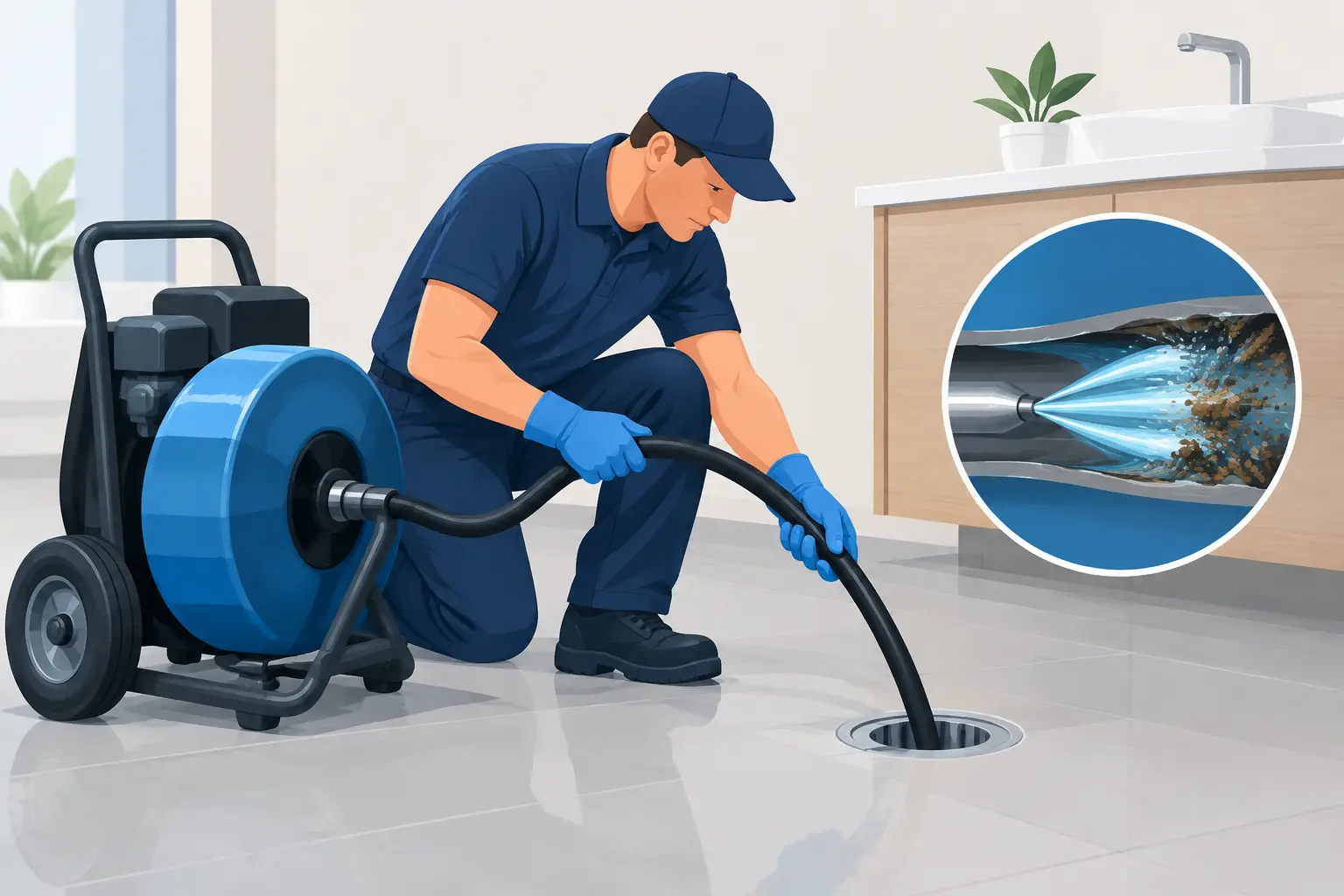
Drain snaking is effective for many localized blockages. For heavier buildup, hydro flushing may be the better option because it cleans the interior of the pipe rather than simply creating a small path through the obstruction. The right method depends on the pipe material, its condition, the type of blockage, and access to the line. Aggressive cleaning is not automatically the answer for older or damaged piping.
Recurring clogs deserve investigation. Repeatedly clearing the same line without checking the cause can turn maintenance spending into a frustrating routine. Camera inspections can reveal whether the issue is misuse, a sagging pipe, tree-root intrusion, a poor connection, or deterioration in the sewer line.
Backwater Valves and Backflow Protection
Two devices are often confused, but they solve different problems. A backwater valve helps prevent municipal sewer water from backing up into a building through the sanitary line. It can be especially valuable for lower-level areas that are vulnerable during intense rain events.
Backflow prevention protects the drinking-water supply from contamination caused by reverse flow. Commercial properties with certain equipment or plumbing arrangements may require backflow devices and testing. Requirements can vary by municipality, property type, and system design, so it is worth confirming what applies to your building rather than assuming a one-size-fits-all approach.
Plan Maintenance Around Your Property, Not a Generic Checklist
Planned commercial plumbing maintenance should reflect the building’s age, occupancy, plumbing layout, and day-to-day use. A busy restaurant needs a different schedule than a professional office. A rental building with common laundry and several washrooms needs different attention than a small warehouse with limited fixtures.
A practical maintenance visit may include checking visible pipework and shutoff valves, testing sump pumps, reviewing water heater performance, inspecting washrooms for leaks, and addressing early drain issues. Property managers may also benefit from documenting shutoff locations and ensuring staff know who to call after hours.
Water quality can be part of the conversation as well. Hard water leaves mineral scale in water heaters, fixtures, and equipment, which can affect efficiency and shorten component life. Depending on the water source and the needs of the property, water softening, carbon filtration, sediment filtration, UV purification, or reverse osmosis may be worth considering. The right system depends on a water test, equipment needs, and whether the water is for general use or drinking water.
Plumbing, Heating, and Cooling Often Overlap
Commercial building systems do not operate in isolation. A lack of hot water may involve the water heater, gas supply, venting, controls, or circulating components. A mechanical room leak may affect heating equipment, electrical components, or the building envelope. Coordinating qualified plumbing, gas, heating, and cooling service can reduce delays and prevent one repair from creating another issue.
This is particularly helpful for mixed-use buildings and properties with tenant improvements. Before a new washroom, kitchenette, commercial sink, water heater, or mechanical component is installed, it is smart to consider capacity, drainage, accessibility, permits, and future service access. A tidy installation is more than appearance. Clear access to valves, clean piping routes, and properly supported equipment make inspection and repairs easier later.
What to Expect From a Professional Commercial Plumber
Commercial clients need clear communication because plumbing work can affect operations, tenants, and customers. Before work begins, you should understand the reported issue, the recommended repair, and any reasonable options. If a repair uncovers additional concerns, the technician should explain what changed and why before proceeding wherever possible.
Professional workmanship also includes respecting the space. That means arriving prepared, using appropriate equipment, protecting work areas, keeping the site orderly, and testing the repair before leaving. For property managers, clear notes and photos can help with maintenance records and tenant communication.
Forward Mechanical Services Inc. supports businesses and property owners throughout Durham Region with emergency plumbing, drain cleaning, water treatment, heating, cooling, and gas services. Whether the issue is urgent or part of a planned maintenance program, the focus should stay the same: practical advice, quality work, and accountability from the first call to the final test.
The best time to find a dependable commercial plumber is before a floor drain backs up during a busy shift. Keep your building’s shutoff information current, pay attention to early warning signs, and arrange a professional assessment when a small problem starts repeating itself.