A plumbing problem rarely arrives at a convenient time. It is the dripping ceiling after bedtime, the basement floor drain backing up before guests arrive, or the toilet that suddenly refuses to cooperate on a busy Monday morning. When you need a plumber Oshawa homeowners can rely on, the first priority is protecting your home, your safety, and your peace of mind – not guessing at a repair.
Some problems can wait for a scheduled visit. Others can cause costly water damage, create sanitation concerns, or leave a property without heat or reliable water. Knowing the difference helps you act quickly without overreacting.
When to Call a Plumber Oshawa Residents Need Right Away
A burst pipe, active leak, sewer backup, or failed sump pump deserves immediate attention. Water can travel far beyond the spot where it first appears. It may reach flooring, drywall, insulation, electrical components, or stored belongings before the source is obvious.
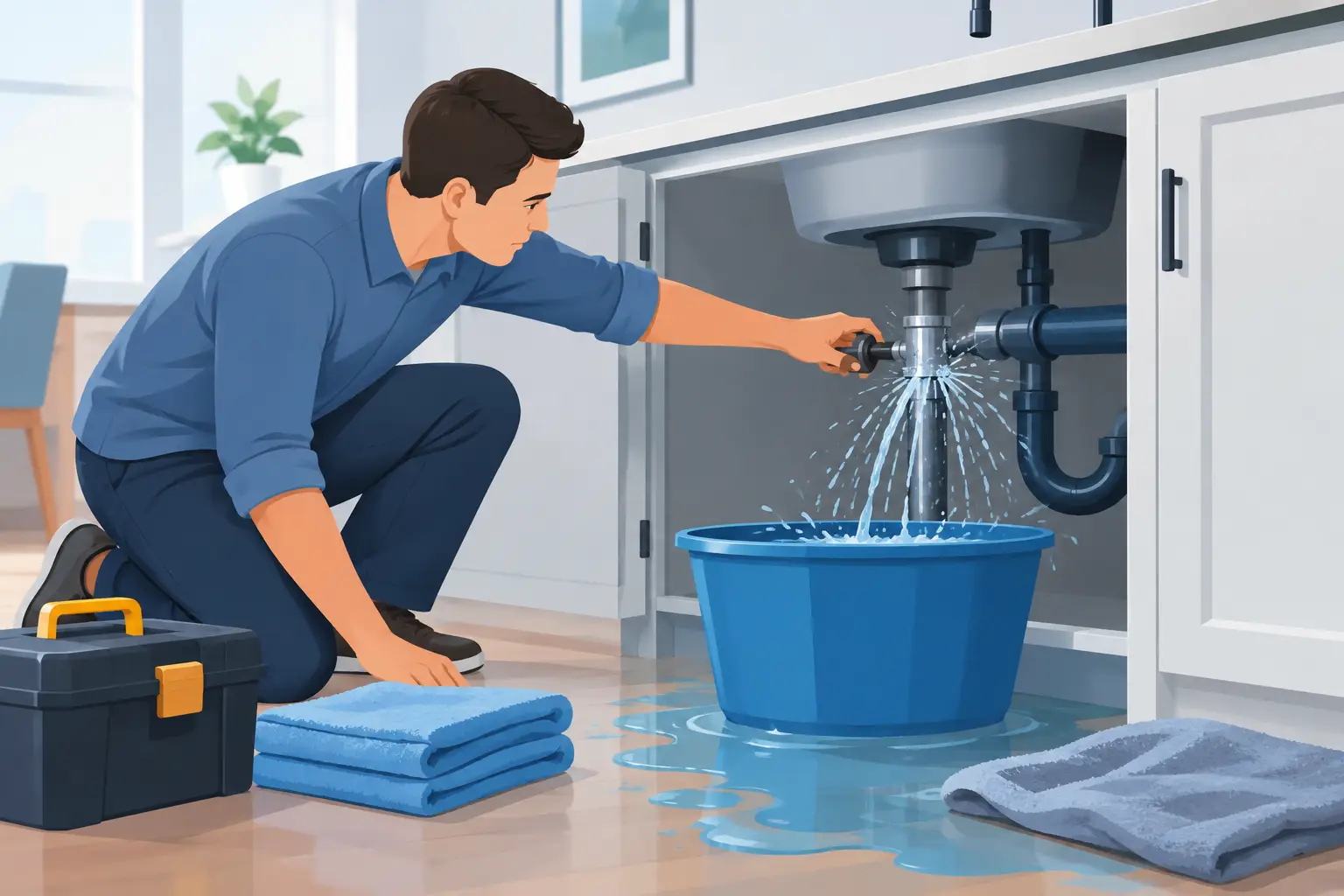
If water is actively flowing and you can safely reach the main shutoff valve, turn off the home’s water supply. For a leak at a toilet, sink, or appliance, the nearby fixture shutoff may be enough. Move valuables away from the affected area, avoid standing water near electrical outlets or panels, and do not use plumbing fixtures if sewage is backing up through a drain.
A sewer backup is especially urgent. It is not simply a messy drain clog. Wastewater can contain contaminants, and using more water can make the situation worse. Stop running taps, flushing toilets, using the dishwasher, or doing laundry until the line has been assessed.
No one plans for these calls, but a prompt, professional response matters. Forward Mechanical Services Inc. provides 24/7 emergency plumbing help for issues such as leaks, burst pipes, blocked drains, sewer backups, and sump pump failures throughout Oshawa and surrounding Durham Region communities. The goal is to locate the cause, control the immediate problem, and explain the practical repair options clearly.
Not Every Clog Is a Simple Clog
A slow kitchen sink often comes down to grease, food debris, or soap buildup. A bathroom sink may collect hair and product residue. In those cases, a careful cleaning of the stopper or trap can sometimes restore flow.
The warning signs change when more than one fixture is affected. If the toilet bubbles while the shower drains, the laundry sink backs up, or water appears at a basement floor drain, the issue may be farther down the drainage system. Repeated clogs in the same area can also point to a damaged pipe, root intrusion, poor slope, or buildup that a plunger cannot reach.
Chemical drain cleaners are tempting because they look like a quick fix. The trade-off is that they may not clear the true blockage, can be hard on certain pipes and seals, and may leave caustic liquid in the line for whoever works on it next. A plunger or hand auger is generally a safer first step for a minor, isolated clog. For recurring or widespread drainage trouble, professional drain cleaning is the better call.
Why the Right Diagnostic Tool Matters
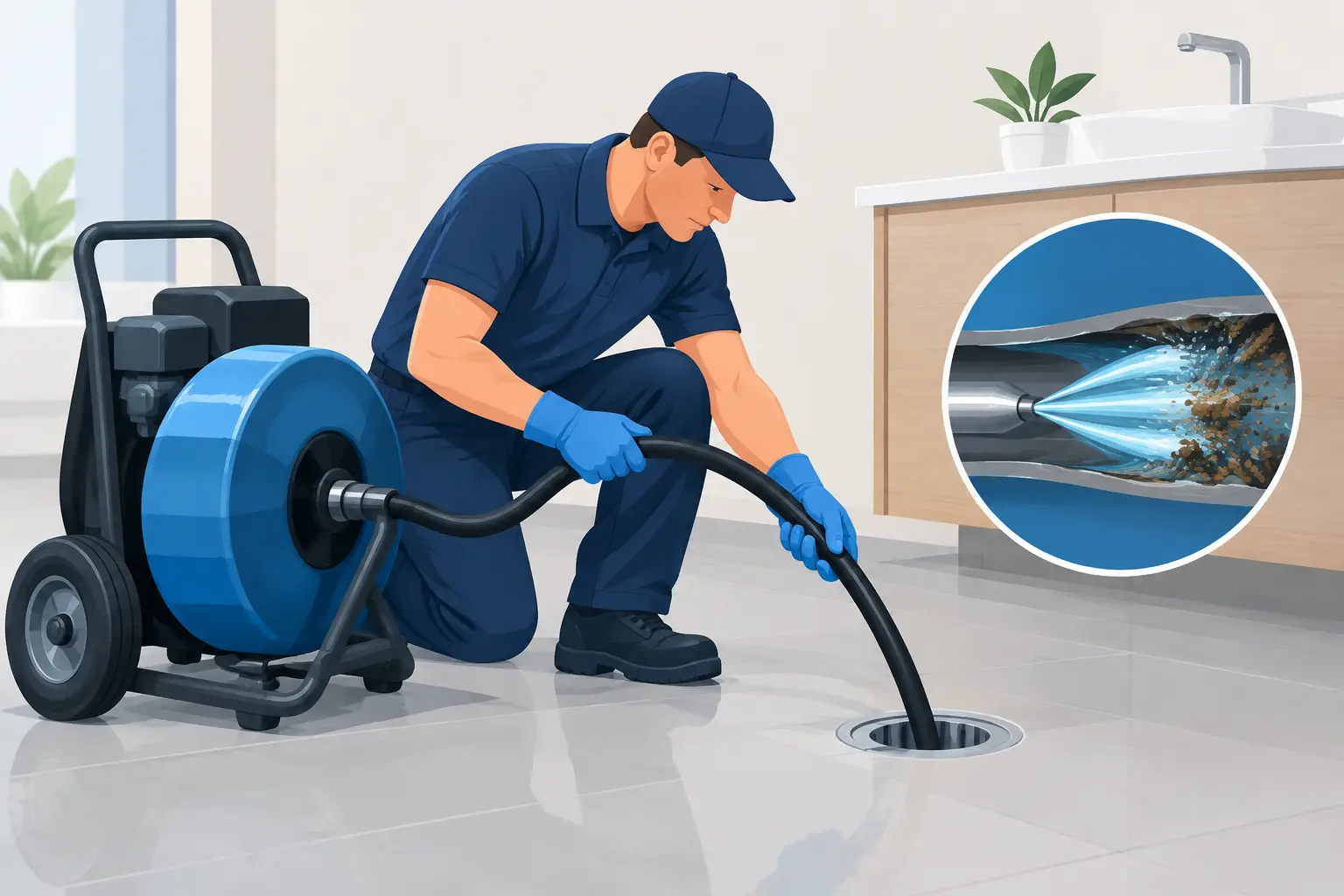
Drain snaking can remove many obstructions, but it is not the answer to every problem. A sewer camera inspection lets a technician see inside the line and determine whether the issue is grease buildup, roots, a collapsed section, a separated joint, or something else entirely. That information prevents repairs based on guesswork.
For heavily coated drain lines, hydro flushing may be recommended to clean the interior more thoroughly. It is effective for the right pipe and condition, but it is not automatically suitable for every older or damaged line. A qualified technician should assess the system before recommending the method. Good plumbing advice includes explaining why a repair fits your situation, not simply choosing the biggest service.
Small Plumbing Clues That Should Not Be Ignored
Most major water problems begin as small clues. A toilet that runs intermittently, a faint stain below a bathroom, low pressure at one fixture, or a water heater that makes new noises can all be early warnings.
A running toilet may waste a surprising amount of water over time. A dripping faucet is often repairable, but the cause matters: it could be a worn cartridge, a damaged seal, or excessive pressure affecting the fixture. Low water pressure at one tap is commonly a localized fixture issue. Low pressure throughout the house calls for a broader inspection of valves, filtration equipment, pressure regulation, or supply piping.
Water around the base of a water heater should never be ignored. Sometimes the source is a loose connection or relief valve. In other cases, the tank itself is failing. Tankless water heaters have different maintenance and diagnostic needs, particularly where mineral buildup affects performance. The best option depends on the equipment’s age, condition, household demand, and the cost of repair versus replacement.
Protecting Your Basement From Water Problems
Oshawa homes with basements depend on drainage and sump equipment working when conditions are at their worst. A sump pump that has not been tested in months may fail when spring thaw or a heavy storm puts it under pressure.
Homeowners can pour water into the sump pit to check whether the pump activates and discharges properly, provided the setup is safe and the outlet path is clear. Check that the discharge line directs water away from the foundation and is not blocked or frozen. If the pump runs constantly, makes unusual sounds, trips a breaker, or fails to keep up, arrange service before the next storm tests it for you.
For properties with a history of sewer backups, a backwater valve may be worth discussing. It is designed to help prevent sewage from flowing backward into the home during an overloaded municipal sewer event. Like any protective device, it needs proper installation and ongoing maintenance. It is a valuable layer of protection, not a reason to ignore drainage warning signs.
Water Quality Is Part of the Plumbing Conversation
Water that tastes unpleasant, leaves scale on fixtures, or creates stubborn spots on dishes can affect daily routines and household equipment. Hard water is common in many areas and may contribute to mineral buildup in faucets, water heaters, appliances, and shower doors.
The right treatment system depends on what is actually in the water and what you want to improve. A water softener addresses hardness. Whole-home carbon filtration can reduce certain tastes and odours. Sediment filters protect equipment from particulate matter, while UV purification and reverse osmosis systems address different water-quality concerns. These systems should be selected based on water testing, household needs, maintenance expectations, and available space – not a one-size-fits-all sales pitch.
Regular filter changes, system servicing, and correct installation are just as important as choosing the equipment. A treatment system should make life easier, not become another mystery appliance in the utility room.
What Professional Service Should Look Like
Calling a plumber should not leave you wondering what happened, what was repaired, or what comes next. A professional visit starts with listening to the symptoms and inspecting the affected area. The technician should explain the likely cause in plain language, outline reasonable options, and answer questions before work moves forward.
For landlords, property managers, and small businesses, communication is just as important as the repair itself. Clear updates help tenants, staff, and owners make informed decisions, especially when an issue affects washrooms, kitchens, mechanical rooms, or customer-facing spaces.
Clean workmanship also matters. Plumbing repairs can be disruptive enough without leaving a muddy work area or a pile of packaging behind. Respect for the property, attention to safety, and a clear explanation of maintenance steps are signs that the work is being handled properly.
A Practical Plan Before the Next Plumbing Emergency
Take a few minutes to find your main water shutoff and make sure the adults in the home know how to use it. Keep the area accessible. If you own a sump pump, test it periodically and consider a backup option if your basement is vulnerable to flooding. Avoid putting grease, wipes, hygiene products, or food scraps down drains, even when the label suggests they are flushable.
Most importantly, pay attention to changes. Plumbing systems usually give warnings before they demand your full attention at 2 a.m. A quick call about a recurring drain, a small leak, or a noisy water heater can often prevent a much larger interruption later. When something does go wrong, calm action and qualified help are the best tools in the house.